Atlanta Exhibit Types

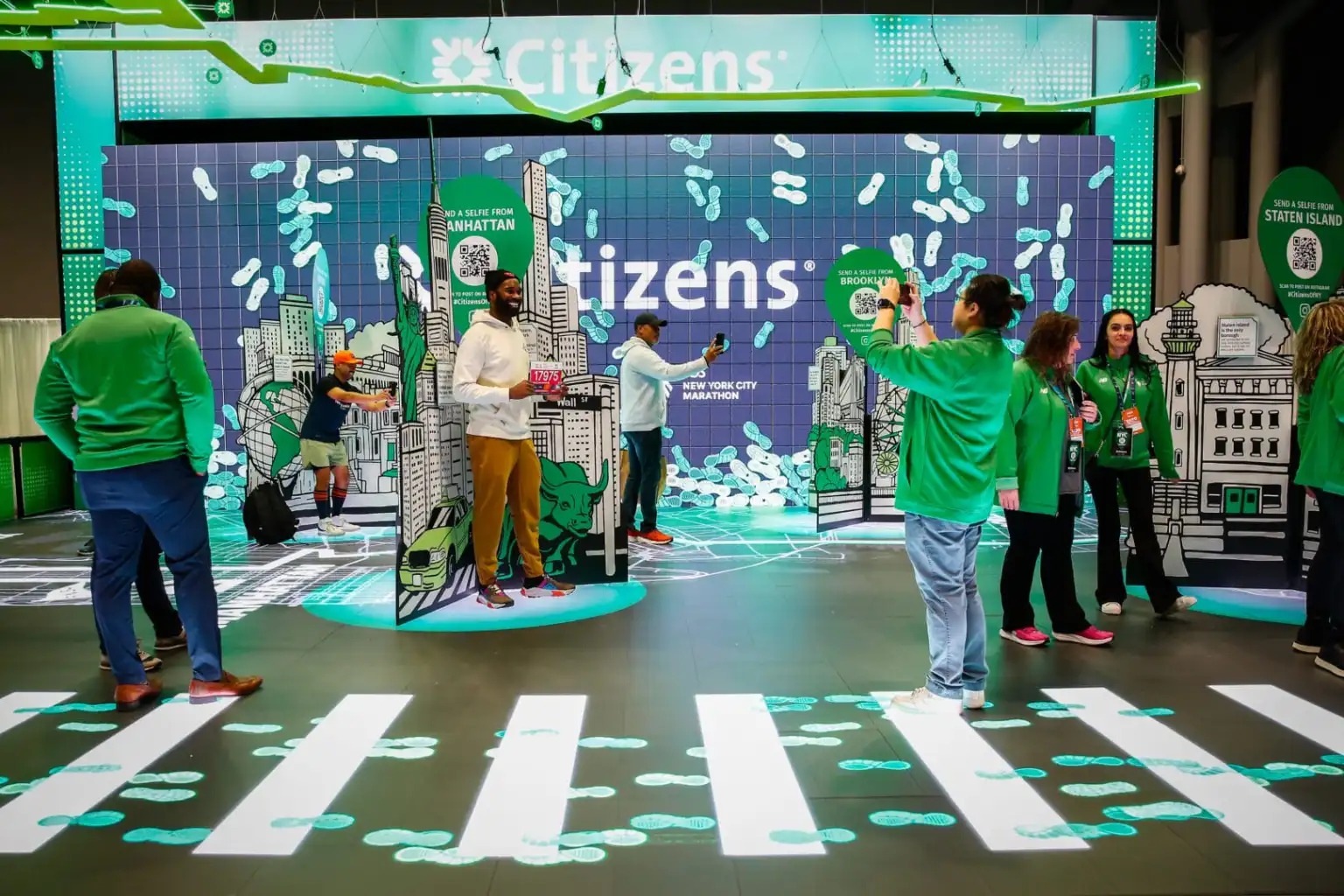
Sponsor Activation Environments in Atlanta Trade Shows and Events

Atlanta booth planning, fabrication, logistics, and show-floor control.

Craft immersive sponsor activation environments that captivate audiences across Atlanta's premier convention zones, from downtown clusters to airport-adjacent facilities.

Format pressuretraffic, dwell time, and memorable brand moments
Critical planningVenue fit, crew timing, and guest flow
Long-term valueReusable assets and stronger next-show decisions

Leveraging Downtown Atlanta's Flagship Convention Cluster

Downtown Atlanta stands as the epicenter for sponsor activation environments due to the unparalleled density of exhibit and activation demand at the Georgia World Congress Center, Centennial Olympic Park, and AmericasMart Atlanta. These venues host large-scale conventions where sponsor spaces must command attention amid thousands of attendees, incorporating elements like elevated platforms, digital walls, and interactive pods that draw crowds from adjacent walkways and lobbies. Planners focus on designs that capitalize on the area's conference logistics, ensuring activations flow naturally into high-traffic paths without conflicting with main hall operations or emergency egress routes.

At Centennial Olympic Park, sponsor environments often extend into public activation territories, blending indoor exhibits with outdoor extensions to create memorable, photogenic moments that amplify social media reach during peak event seasons. AmericasMart Atlanta's market-week programming further demands modular activations that support buyer-showroom interactions, with coordinated setups featuring product demo arenas and networking lounges tailored to wholesale and retail cycles. This cluster's depth requires precise timing for load-in and strike, synchronized with the Georgia World Congress Center's multi-hall scheduling to maximize visibility during flagship exhibits.

Operational specifics include reinforcing structures for high-footfall durability and integrating AV systems compatible with venue-wide power grids, all planned to enhance rather than compete with the surrounding convention ecosystem.
Airport Corridor Venues for Fly-In Sponsor Engagements

The Georgia International Convention Center and Gateway Center Arena in the College Park area position the environments for audiences prioritizing air travel convenience, directly linked by ATL SkyTrain for smooth access from Hartsfield-Jackson Atlanta International Airport. These facilities excel in fast-turn meeting programs and airport-corridor events, where activations incorporate quick-assembly frameworks, mobile tech stations, and compact immersion chambers that accommodate shorter dwell times typical of fly-in delegates. Coordination emphasizes pre-event digital previews to prime arrivals, ensuring environments hit peak performance from opening sessions.

Gateway Center Arena's sports-adjacent layout inspires activations with gamified elements and athlete-endorsed branding, transforming sponsor spaces into hybrid event zones that spill into arena concourses for extended interactions. At the Georgia International Convention Center, expansive floor plans allow for larger-scale environments with segmented experiences, from welcome kiosks to data-capture lounges, all optimized for the venue's logistics supporting rapid setup amid conference surges. Planners account for SkyTrain proximity by designing for baggage-light attendee flows, focusing on lightweight yet impactful materials.

This corridor's role in Atlanta's trade show matrix underscores the need for activations resilient to variable attendance spikes, with built-in flexibility for weather-adjacent transitions if events extend outdoors.

Suburban Facilities for Regional and Corporate Activations

Northwest and northeast suburban venues like the Cobb Convention Center and Gas South Convention Center capture demand outside downtown, offering the environments suited to corporate events, regional trade shows, and community gatherings. The Cobb Convention Center's ballroom-driven programs favor activations with configurable partitions, lounge integrations, and branded milling areas that enhance networking without overwhelming smaller footprints. Planners coordinate these to align with submarket logistics, ensuring transport efficiency from metro Atlanta hubs.

Gas South Convention Center in the Duluth and Gwinnett corridor supports association-level activations with versatile hall configurations, enabling environments that incorporate regional cultural motifs alongside sponsor narratives for heightened relevance. These setups prioritize acoustic zoning and lighting layers to create intimate yet scalable experiences, distinct from downtown's high-volume intensity. Operational planning includes advance utility mapping to support prolonged runtime tech like VR stations or live-stream feeds.

Across these suburban nodes, activations emphasize community tie-ins, fostering loyalty through localized experiential touchpoints that extend event impact beyond the venue walls.

Smooth Integration with Atlanta Event Ecosystems

The environments thrive when integrated into Atlanta's broader event flows, coordinating with venue-specific programming at clusters like downtown's Georgia World Congress Center trio or the airport's Georgia International setup. This involves mapping attendee journeys from registration to plenary sessions, positioning activations at natural convergence points such as lobby thresholds or inter-hall connectors. Planners use data on historical foot traffic to optimize placement, ensuring sponsor zones capture diverse demographics without funneling disruptions.

Technical harmony requires pre-coordination on power allocation, Wi-Fi bandwidth, and rigging heights, particularly in multi-tenant halls where activations share infrastructure with mainstage elements. In Centennial Olympic Park's public realms, environments incorporate weather-resilient enclosures and security perimeters, blending smoothly with park activations during conventions. AmericasMart's showroom adjacency demands activations that facilitate B2B handoffs, with modular components allowing real-time reconfiguration based on buyer feedback.

This ecosystem approach extends to strike protocols, minimizing downtime for subsequent events and maximizing sponsor ROI through captured lead nurturing tied to activation metrics.

Customization and Scalability Strategies

Tailoring the environments to Atlanta's venue variances demands scalable frameworks that adjust from the Georgia World Congress Center's vast exhibit halls to the more intimate Cobb Convention Center ballrooms. Customization begins with thematic alignment—public spectacle for Centennial Olympic Park, professional networking for AmericasMart—incorporating bespoke elements like scent diffusers, haptic feedback, or AR overlays calibrated to space constraints. Planners layer these with core sponsor messaging, ensuring visual dominance without thematic overload.

Scalability hinges on prefabricated modules transportable across zones, from airport fly-ins at Gateway Center Arena to Gwinnett expos, with quick-swap facades for multi-day evolutions. Material selections prioritize venue compliance, such as flame-retardant fabrics for GWCC and low-vibration mounts for arena-adjacent setups. Budget allocation favors high-impact zones, balancing immersive cores with peripheral draw elements to sustain traffic throughout event durations.

Iterative prototyping refines these strategies, drawing on Atlanta's event cadence to predict scale needs and preempt logistical pinch points.

Performance Metrics and Post-Event Analysis

Measuring the environments in Atlanta involves tracking engagement across venue contexts, from dwell times at Georgia International Convention Center kiosks to conversion rates in AmericasMart lounges. Planners deploy beacon tech and RFID integrations compliant with GWCC guidelines, capturing anonymized data on interactions, heat maps, and lead quality to quantify uplift over static booths. This data informs ROI narratives, highlighting how activations in high-density downtown clusters outperform isolated setups.

Post-event analysis extends to qualitative feedback loops, correlating activation performance with overall event success metrics like NPS scores from Centennial Olympic Park attendees. Suburban venues like Cobb benefit from segmented reporting, isolating corporate vs. trade show outcomes to refine future iterations. Coordination ensures data portability across zones, enabling cross-market benchmarks for sponsors targeting Atlanta's full spectrum.

Questions teams ask before they lock the brief

What distinguishes sponsor activation environments from traditional trade show booths in Atlanta?

Unlike static booths, these environments create fully immersive, interactive spaces that engage attendees through multi-sensory experiences, optimized for Atlanta venues like the Georgia World Congress Center and Centennial Olympic Park to drive higher interaction rates and brand affinity.

Which Atlanta venue clusters are best for sponsor activations?

Downtown Atlanta's Georgia World Congress Center, Centennial Olympic Park, and AmericasMart excel for large-scale activations, while the airport corridor's Georgia International Convention Center and Gateway Center Arena suit fly-in events, with suburban options like Cobb Convention Center for corporate focus.

How do logistics differ across Atlanta's trade show zones for these environments?

Downtown demands high-volume coordination with GWCC logistics, airport venues leverage SkyTrain for quick setups, and suburban facilities like Gas South prioritize modular transport, all planned for turnkey execution across zones.

Can sponsor activations extend outdoors in Atlanta venues?

Yes, particularly at Centennial Olympic Park for public extensions and Gateway Center Arena for sports-adjacent areas, with designs incorporating weather-resilient features and security alignments.

What technology integrations enhance Atlanta sponsor environments?

AR/VR stations, digital walls, and beacon tracking are common, calibrated for venue power grids at AmericasMart or Wi-Fi capacities at Georgia International Convention Center to ensure smooth performance.

How is ROI measured for these activations in Atlanta?

Through dwell times, lead captures, and engagement heat maps, benchmarked against venue-specific data from clusters like downtown or airport corridors to demonstrate value.

Related topics that shape the same decision

6 Atlanta-focused exhibit types topics support real buyer decisions around design, labor, freight, venue fit, graphics, and post-show value.