Atlanta Exhibit Types

Experiential Pop-Up Environments Atlanta GA

Atlanta booth planning, fabrication, logistics, and show-floor control.

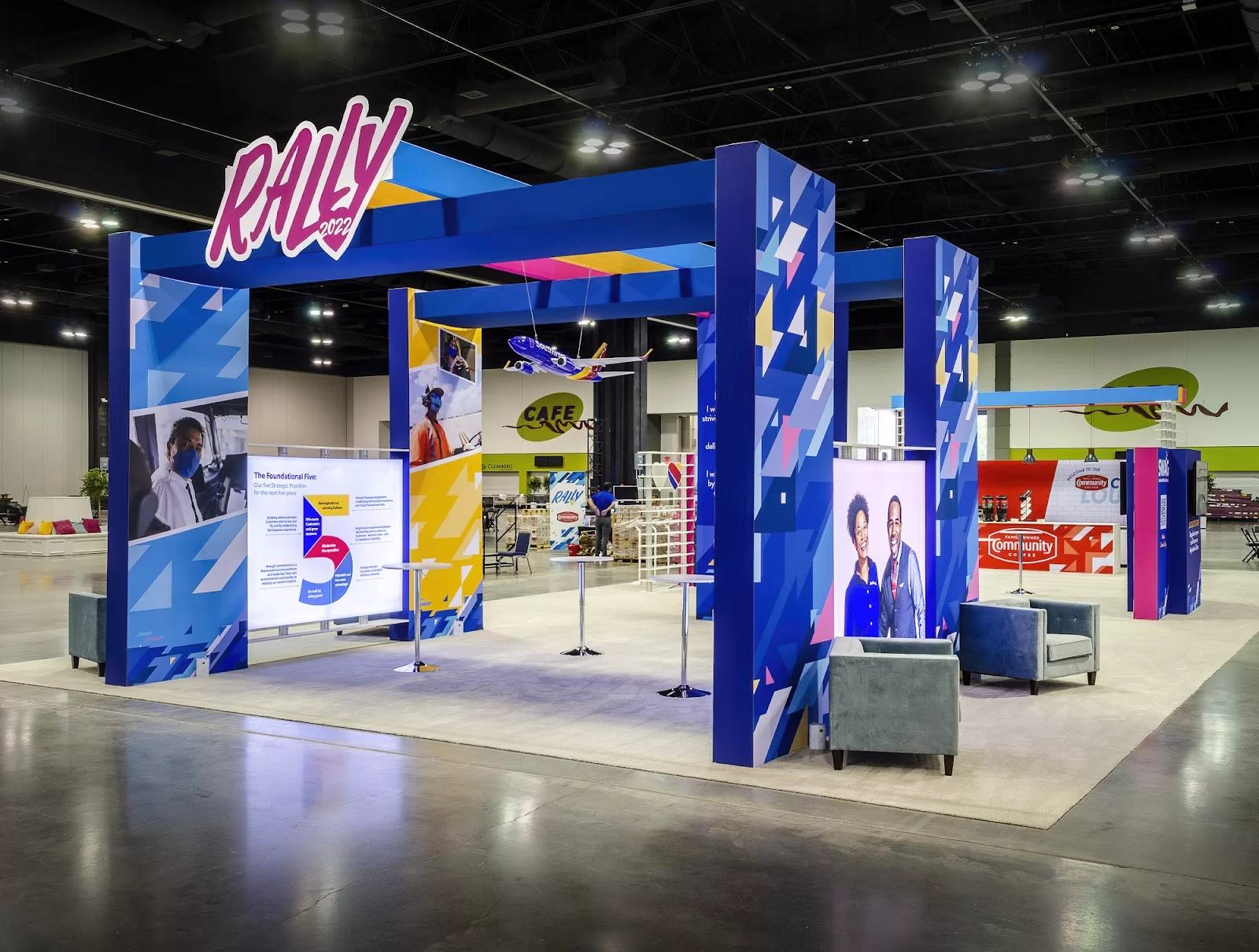
Experiential pop-up environments in Atlanta create immersive brand activations that engage trade show attendees across the city's four key operating zones, from downtown's convention epicenter to suburban expo facilities.

Format pressurefast builds, flexibility, and street-level energy
Critical planningVenue fit, crew timing, and guest flow
Long-term valueReusable assets and stronger next-show decisions

Positioning Pop-Ups in Downtown Atlanta's Convention Core

The downtown Atlanta cluster, encompassing the Georgia World Congress Center, Centennial Olympic Park, and AmericasMart Atlanta, forms the bedrock for experiential pop-up environments due to its unmatched depth in exhibit hall capacity, public activation venues, and market-week showroom operations. At the Georgia World Congress Center, pop-ups deploy within expansive exhibit spaces tailored for flagship installations, where planners coordinate modular elements like interactive walls, projection-mapped facades, and sensory zones that channel thousands of convention-goers into brand-driven narratives during peak event seasons. Centennial Olympic Park complements this with its outdoor layout, enabling weather-resilient pop-ups that spill into pedestrian pathways, fostering spontaneous interactions amid the backdrop of major gatherings and turning passive passersby into active participants through gamified entry points and ambient audio-visual cues.

AmericasMart Atlanta elevates pop-up strategies during intensive market weeks, where temporary environments slot into showroom circuits, blending high-end product displays with experiential layers such as virtual reality pods or tactile demo stations that align with buyer traffic patterns. This venue's multi-building configuration demands precise spatial planning, ensuring pop-ups maintain flow efficiency while maximizing dwell time—coordinators map entry sequences to guide visitors from hallway glimpses to full immersion, leveraging the site's logistics for swift morning setups and evening strikes that keep schedules tight across three-day buying cycles. The collective downtown infrastructure supports pop-ups that scale from 500 Square Foot microsites to 5,000 Square Foot immersions, all while navigating shared load-in protocols that prioritize electrical hookups and rigging points for dynamic lighting rigs.
Airport Corridor Dynamics for Fly-In Pop-Up Deployments

The airport and College Park corridor, highlighted by the Georgia International Convention Center and Gateway Center Arena, positions experiential pop-ups for events prioritizing ATL SkyTrain connectivity and traveler convenience, where quick-assembly environments capture jet-lagged attendees craving immediate engagement. At the Georgia International Convention Center, pop-ups anchor conference sidelines with compact, high-impact designs that utilize floor plans optimized for fast-turn meetings, incorporating portable partitions for privacy zones amid open exhibit areas and tying into the venue's proximity for same-day material deliveries that bypass urban congestion. Gateway Center Arena adds a sports-adjacent twist, enabling pop-ups to activate arena concourses or adjacent spaces during hybrid events, where interactive kiosks or photo-op installations leverage event-day energy to boost social shares.

These venues demand pop-up configurations that emphasize lightweight fabrication and rapid reconfiguration, accommodating schedules where morning flights feed into noon programs—planners sequence builds around SkyTrain-adjacent load zones, ensuring AV tech syncs flawlessly for looped content that sustains interest during registration lulls. The corridor's focus on fly-in conferences translates to pop-ups engineered for 24-48 hour lifecycles, with emphasis on durable flooring to handle spiked heels and rolling luggage, while integrating scent diffusers or haptic feedback for multi-sensory hooks that differentiate from standard booth fare in this transit-heavy setting.

Suburban Venues Unlocking Regional Pop-Up Potential

Northwest in the Cumberland and Cobb submarket, the Cobb Convention Center channels corporate events and regional trade shows into ballroom-driven programs, where experiential pop-ups carve out dedicated zones amid flexible partitioning schemes that allow for enclosed immersives amid wider expo floors. These setups exploit the venue's submarket positioning to target association meetings with localized themes, deploying pop-ups that mirror Atlanta's cultural vibrancy through elements like augmented reality overlays on regional artifacts, drawing mid-sized crowds for extended interactions without downtown premiums. Northeast in Duluth and Gwinnett, Gas South Convention Center mirrors this with community event demand, supporting pop-ups that blend expo hall exhibits with adjacent arena programming for cross-pollination effects.

Suburban coordination emphasizes transport efficiency across I-285 and GA-400 corridors, enabling pop-ups to rotate between Cobb and Gas South within event clusters—designs prioritize flat-pack modularity for truck hauls under 50 miles, with on-site sequencing that aligns installs to venue ballast specs and HVAC zoning for climate-controlled immersives. This zonal flexibility lets planners test pop-up variants in lower-stakes regional shows before downtown upscale, using data from dwell sensors to refine layouts that convert browsers to leads in less saturated environments.

Cross-Zone Coordination for Comprehensive Coverage

Atlanta's trade show demand necessitates turnkey execution spanning convention centers, market campuses, airport venues, and suburban facilities, with experiential pop-ups bridging zones through standardized planning frameworks that unify design briefs across disparate logistics. Planners map GWCC-scale immersives to GICC microsites via scalable templates, ensuring thematic consistency—such as Atlanta skyline motifs—from Centennial Park spectacle to Cobb ballroom intimacy, while accounting for varying load-in windows that range from overnight downtown marathons to daytime suburban slots. This approach mitigates risks like zone-specific permitting, coordinating AV crews for synchronized content deploys that adapt resolutions to venue bandwidths.

Operational specifics include pre-event surveys of power grids at AmericasMart versus Gas South, tailoring pop-up power draws to avoid surges during peak hours, and scripting strike protocols that recycle materials across upcoming shows in adjacent corridors. By emphasizing multi-zone mastery, pop-ups achieve portfolio-wide efficiencies, rotating assets from airport fly-ins to Gwinnett community blasts without custom refits, ultimately positioning brands for year-round Atlanta presence.

Design and Tech Integration for Peak Immersion

Experiential pop-ups in Atlanta demand layered design principles that fuse physical architecture with digital overlays, calibrated to venue notes like GWCC's rigging heights or GICC's floor load limits for suspended elements that evoke motion without structural strain. Coordinators layer narratives through sequential spaces—entry teasers yielding core interactions and exit takeaways—incorporating RF beacons for personalized content at Centennial activations or haptic floors at Cobb corporates, all synced to event apps for amplified reach.

Tech stacks prioritize low-latency projections for AmericasMart showrooms and battery backups for park pop-ups, with sensor arrays tracking heat maps to dynamically adjust lighting or audio cues based on crowd density. This venue-attuned integration ensures pop-ups not only dazzle but sustain engagement across Atlanta's variable event cadences, from multi-day conventions to single-night arena tie-ins.

Timeline Management and ROI Measurement

Planning timelines for Atlanta pop-ups align to venue calendars, with downtown market weeks dictating 90-day leads for GWCC approvals versus 30-day suburban turns at Gas South, enabling phased milestones from concept renders to final walkthroughs. Coordinators build buffers for airport SkyTrain disruptions or Centennial weather holds, scripting daily checklists that sequence fabrication, transport, and tech dress-rehearsals.

ROI frameworks capture metrics like session times via wristbands at Cobb events or geo-fenced check-ins at GICC, benchmarking against zone baselines to refine future deploys—downtown yields high-volume scans, while suburban fosters deeper conversations, informing hybrid models that cascade successes across Atlanta's quadrants.

Budget Optimization Strategies

Budgets for experiential pop-ups factor Atlanta's zonal variances, with downtown premiums at AmericasMart offset by volume efficiencies versus airport's quick-haul savings at Gateway Arena—planners allocate 40% to fabrication, 30% tech, balancing custom sculpts for GWCC spectacle against off-shelf mods for Cobb ballrooms. Value engineering swaps fixed installs for rentals where Gwinnett community scales demand flexibility.

Contingencies cover 15% for logistics flux across corridors, prioritizing reusable cores that migrate from Centennial public blasts to Gas South arenas, yielding 25% savings on repeat events while maintaining immersive fidelity through modular upgrades.

Questions teams ask before they lock the brief

What distinguishes experiential pop-up environments in Atlanta's trade show zones?

They excel in adapting immersive designs to four zones—downtown's GWCC and AmericasMart for scale, airport GICC for speed, and suburban Cobb/Gas South for targeted corporate reach—creating zone-specific engagements without siloed planning.

Which Atlanta venues best host experiential pop-ups?

Prime spots include Georgia World Congress Center and Centennial Olympic Park for flagship activations, AmericasMart for market-weeks, Georgia International Convention Center and Gateway Center Arena for fly-ins, plus Cobb and Gas South for regional events.

How do planners coordinate pop-ups across Atlanta zones?

Through scalable designs, unified timelines matching venue load-ins, and logistics via key corridors like I-285, ensuring smooth asset rotation and consistent branding from downtown to suburbs.

What logistics challenges arise in airport corridor pop-ups?

SkyTrain access demands fast-turn builds, compact footprints for GICC floors, and resilient tech for traveler flows, with sequencing around flight peaks for minimal disruption.

Can pop-ups integrate with Atlanta's market-week schedules?

Yes, AmericasMart's showroom circuits accommodate pop-ups with buyer-path mappings, electrical zoning, and strike efficiencies for three-day cycles alongside GWCC conventions.

How to measure success of Atlanta experiential pop-ups?

Via dwell metrics, lead scans, and social lifts tailored to zones—high-volume at Centennial, conversions at Cobb—benchmarking for ROI across venues.

Related topics that shape the same decision

6 Atlanta-focused exhibit types topics support real buyer decisions around design, labor, freight, venue fit, graphics, and post-show value.