Atlanta Services

Exhibitor Appointed Contractor Coordination for Atlanta Trade Shows

Atlanta booth planning, fabrication, logistics, and show-floor control.

Streamline your exhibitor-appointed contractor operations across Atlanta's dynamic convention landscape, from the Georgia World Congress Center's expansive halls to the Georgia International Convention Center's airport-adjacent facilities.

Primary pressurevenue paperwork, EAC alignment, and cross-vendor timing
Key milestoneGraphics, labor, and freight locked before move-in
Show-site goalClean install, steady staffing, and controlled teardown

Aligning EAC Teams with Atlanta's Venue Ecosystems

Atlanta's trade show venues operate within distinct ecosystems that demand precise alignment for exhibitor-appointed contractors. In the downtown Atlanta cluster, the Georgia World Congress Center's vast exhibit halls and adjacent Centennial Olympic Park activations require contractors to adhere to structured move-in sequences, often coordinated around public event overlaps and high-traffic buyer pathways. AmericasMart Atlanta adds layers of market-week intensity, where permanent showrooms intersect with temporary exhibits, necessitating contractors who understand phased installations that avoid interfering with ongoing wholesale operations.

Further afield, the airport/College Park corridor at the Georgia International Convention Center leverages ATL SkyTrain access for rapid crew and material deployment, ideal for fly-in conferences but sensitive to aviation-adjacent timing constraints. Coordinators ensure your EACs account for these proximities, planning around arena events at Gateway Center that might share parking or staging areas. This zonal awareness prevents bottlenecks, such as delayed trucking in congested downtown versus streamlined airport approaches.

Mastering Permits and Compliance Across Zones

Securing permits for exhibitor-appointed contractors in Atlanta involves navigating venue-specific rules that vary by cluster. Downtown facilities like the Georgia World Congress Center enforce rigorous union jurisdictional guidelines for certain services, requiring EACs to obtain exhibitor-appointed status approvals well in advance to operate alongside official providers. Centennial Olympic Park's outdoor activations introduce weather-related permitting and public safety overlays, where coordinators verify contractor certifications for elevated work or temporary structures.

Suburban and airport venues shift the compliance focus: Cobb Convention Center prioritizes ballroom-adjacent setups with regional labor pools, while Georgia International Convention Center mandates airport security clearances for materials entering the College Park area. Effective coordination compiles these requirements into a unified checklist, ensuring your contractors meet fire marshal inspections, electrical load approvals, and rigging permissions without last-minute hurdles.

This proactive permitting strategy extends to the Duluth/Gwinnett corridor, where Gas South Convention Center's community event calendar influences approval timelines, demanding flexibility in contractor deployment schedules.

Logistics Orchestration for Multi-Zone Events

Coordinating logistics for EACs in Atlanta's spread-out market means orchestrating movements between downtown's dense traffic, airport expressways, and northwest highways leading to Cobb. For shows rotating across Georgia World Congress Center and AmericasMart, contractors must sequence trucking routes to exploit off-peak windows, avoiding gridlock around Centennial Olympic Park during peak convention seasons. Coordinators map these paths, factoring in I-75/85 merges and MARTA proximities for crew shuttles.

Airport venues like Georgia International Convention Center benefit from SkyTrain efficiency, but EAC logistics still require pre-cleared manifests for cargo entering secure zones near Gateway Center Arena. Suburban runs to Cobb Convention Center involve precise timing around Galleria-area congestion, ensuring materials arrive for ballroom transformations without overlapping corporate bookings. This orchestration scales for hybrid events spanning zones, like corporate programs starting at GICC and extending to Gas South.

Holistic logistics planning includes storage handoffs, fork-lift allocations, and banquette line-ups, all calibrated to venue blueprints and show manuals for uninterrupted flow.
Installation and Dismantle Synchronization

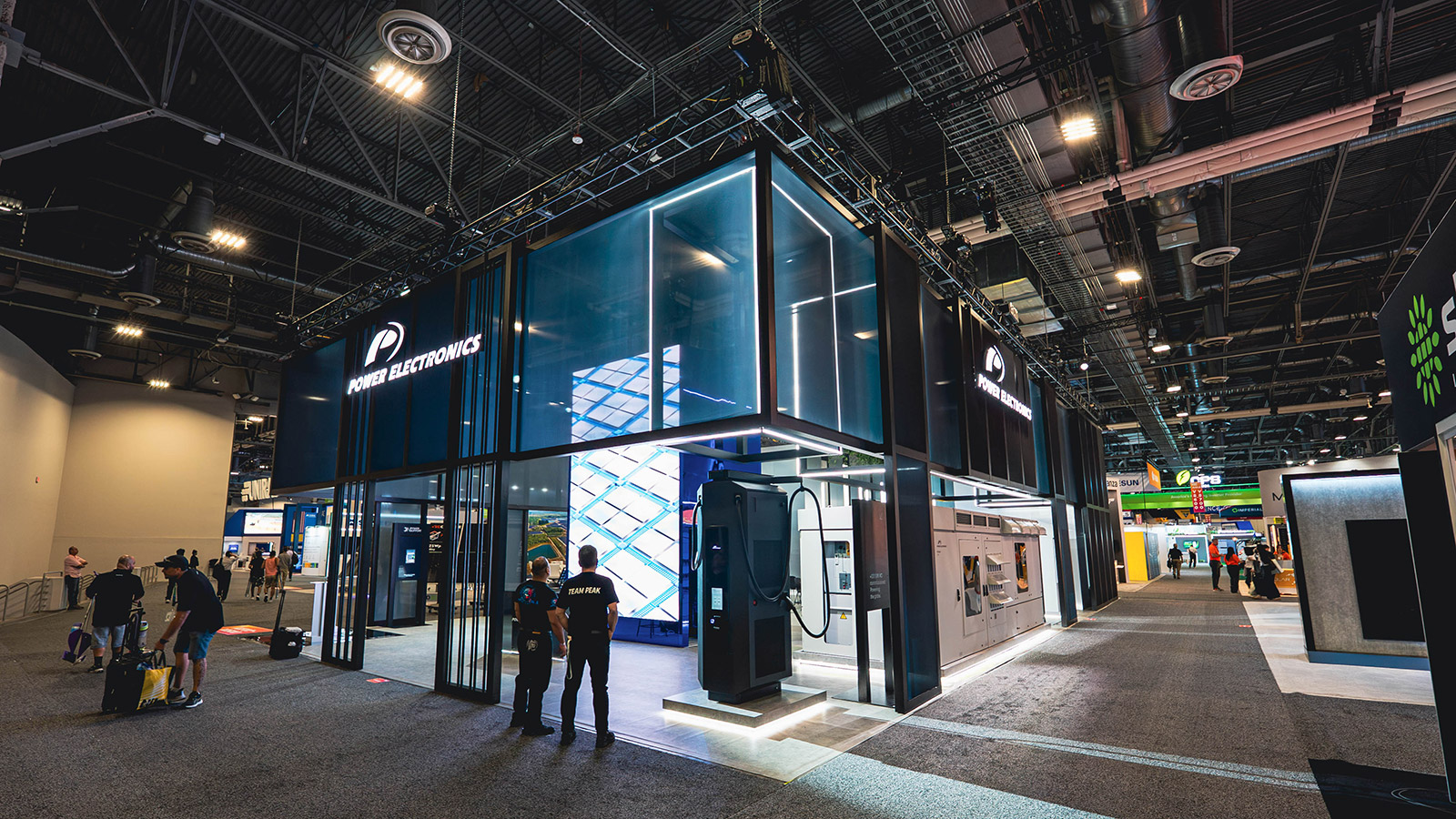
Installation phases for EACs demand tight synchronization with official timelines at Atlanta venues, particularly in the Georgia World Congress Center's phased hall openings where early-access slots fill quickly. Coordinators position your contractors to execute specialized tasks—like custom rigging or AV integrations—within designated windows, preventing conflicts with general service crews handling freight and basic setups. At AmericasMart, this means aligning with market-week rhythms to install without disrupting showroom traffic.

Dismantle coordination flips the script, prioritizing rapid egress to free booth space for turnover events; in Centennial Olympic Park, outdoor elements require dusk curfews and debris protocols. Airport facilities accelerate this with SkyTrain egress advantages, but GICC's exhibit floor plans dictate forklift lanes that EACs must vacate promptly. Cobb and Gas South add suburban flexibility, yet still enforce post-event cleaning handoffs.

Throughout, real-time walkie-talkie channels and digital dashboards keep EACs in step, ensuring dismantle completes ahead of venue resets for Back to Back programming.

Communication Bridges with Official Service Providers

Robust communication frameworks link EACs to official contractors across Atlanta's venues, starting with pre-show huddles at Georgia World Congress Center service desks. Coordinators facilitate these to clarify jurisdictional boundaries, such as EAC handling of proprietary graphics while officials manage power drops. In AmericasMart's hybrid environment, daily briefings ensure alignment during high-volume market periods.

Airport and suburban clusters demand virtual bridges too: Georgia International Convention Center's remote planners coordinate via shared portals for SkyTrain logistics, while Cobb Convention Center's regional teams prefer phone trees for on-site tweaks. Coordinators centralize these channels, translating venue lingo into actionable directives for your EACs.

This ongoing dialogue extends to change orders, like adjusting for Gateway Center Arena's sports overlaps, fostering collaborative efficiencies that enhance overall show execution.

Risk Mitigation and Performance Optimization

Risk mitigation in EAC coordination targets Atlanta-specific vulnerabilities, such as downtown weather impacts on Centennial Olympic Park or airport delays rippling to GICC setups. Coordinators develop contingency rosters, backup trucking for I-85 snarls, and insurance cross-checks tailored to venue liabilities. Performance optimization follows with KPI tracking—on-time installs, zero safety incidents—benchmarked against GWCC benchmarks.

Suburban venues like Cobb introduce regional variables, like power grid loads for ballroom events, prompting pre-load tests. Gas South's community focus adds crowd management layers, where EACs drill egress paths. Post-phase audits refine these, capturing lessons from multi-zone deployments.

Optimization loops back into planning, elevating your contractors' readiness for Atlanta's next circuit of conventions and activations.

Post-Show Evaluation and Continuous Improvement

Post-show evaluations dissect EAC performance across Atlanta's zones, compiling feedback from Georgia World Congress Center supervisors on hall efficiencies and AmericasMart merchants on showroom transitions. Coordinators analyze dismantle metrics, like egress times at GICC via SkyTrain data, to pinpoint optimizations. Centennial Olympic Park inputs highlight public-facing execution nuances.

These debriefs generate actionable reports, flagging trends like Cobb's regional labor synergies or Gateway Center's arena adjacencies. Shared with exhibitors, they inform future bids and contractor selections, building a repository of Atlanta-specific insights.

Continuous improvement cycles ensure EACs evolve with venue updates, such as GWCC expansions or Gas South calendar shifts, sustaining peak coordination standards.

Questions teams ask before they lock the brief

What distinguishes EAC coordination at downtown versus airport venues?

Downtown Atlanta venues like GWCC emphasize union protocols and phased hall access, while airport sites like GICC prioritize SkyTrain logistics and security clearances for faster turnarounds.

How do coordinators handle multi-zone material movements?

They map trucking routes avoiding downtown congestion, leveraging expressways to Cobb or SkyTrain for College Park, with sequenced manifests for smooth cross-cluster flows.

What permits are critical for EACs at AmericasMart?

Exhibitor-appointed approvals for temporary installs amid permanent showrooms, plus fire and electrical checks aligned with market-week intensities.

How is dismantle synchronization ensured at suburban centers?

Through pre-mapped egress paths and timed handoffs at Cobb or Gas South, respecting Back to Back bookings and regional cleaning standards.

What communication tools bridge EACs and official providers?

Pre-show huddles, digital portals, and real-time channels tailored to venue preferences, from GWCC desks to GICC virtual platforms.

How does post-show evaluation benefit future events?

By generating KPI reports and trend analyses from zonal performances, refining contractor readiness for Atlanta's evolving show calendar.

Related topics that shape the same decision

32 Atlanta-focused services topics support real buyer decisions around design, labor, freight, venue fit, graphics, and post-show value.