Atlanta Locations
Atlanta Trade Show Locations: Planning Across Downtown, Airport, Cobb, and Gwinnett Zones
Locations
District-specific coordination resources for exhibits and activations spanning Atlanta’s primary convention clusters and suburban markets.

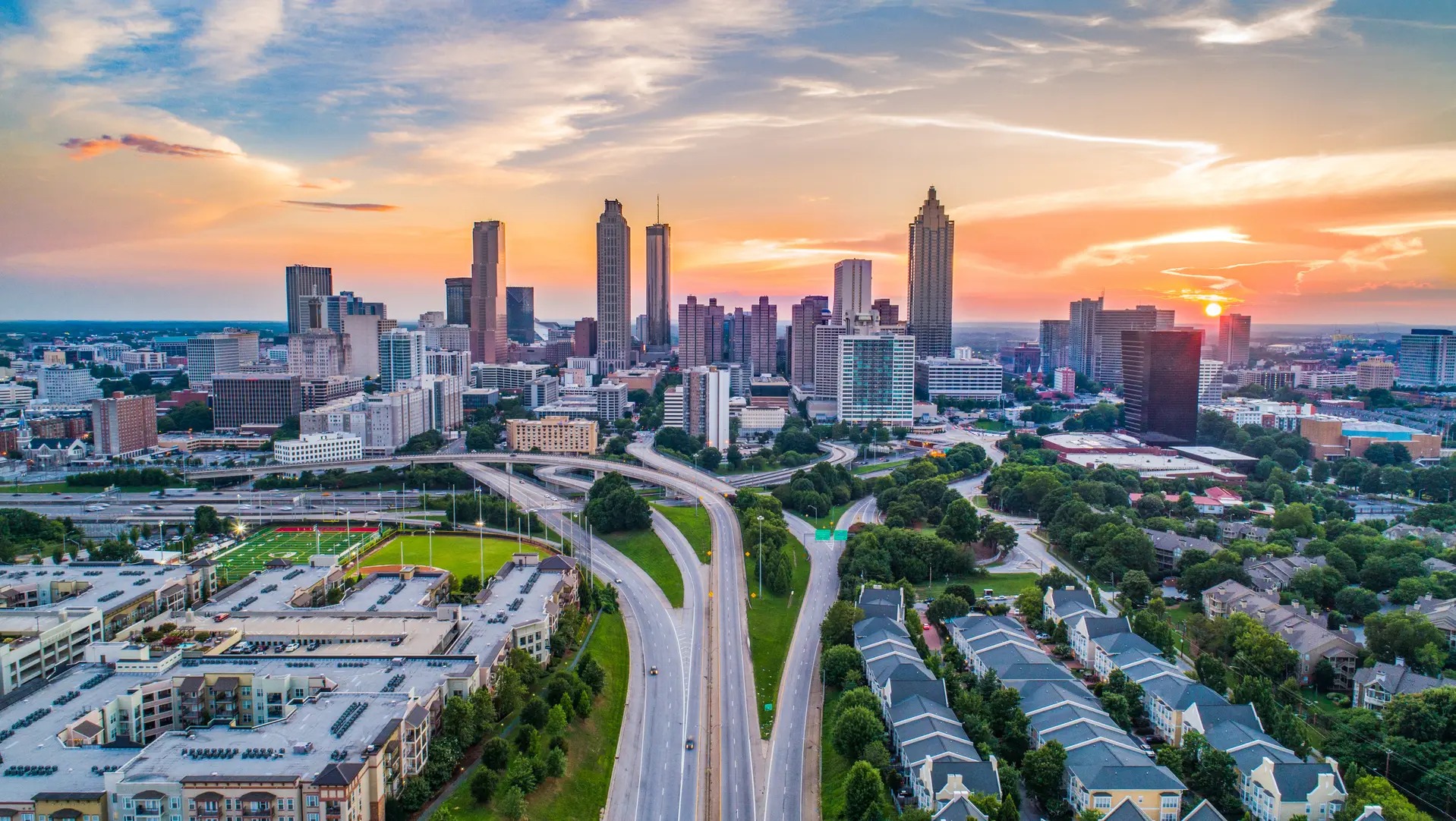
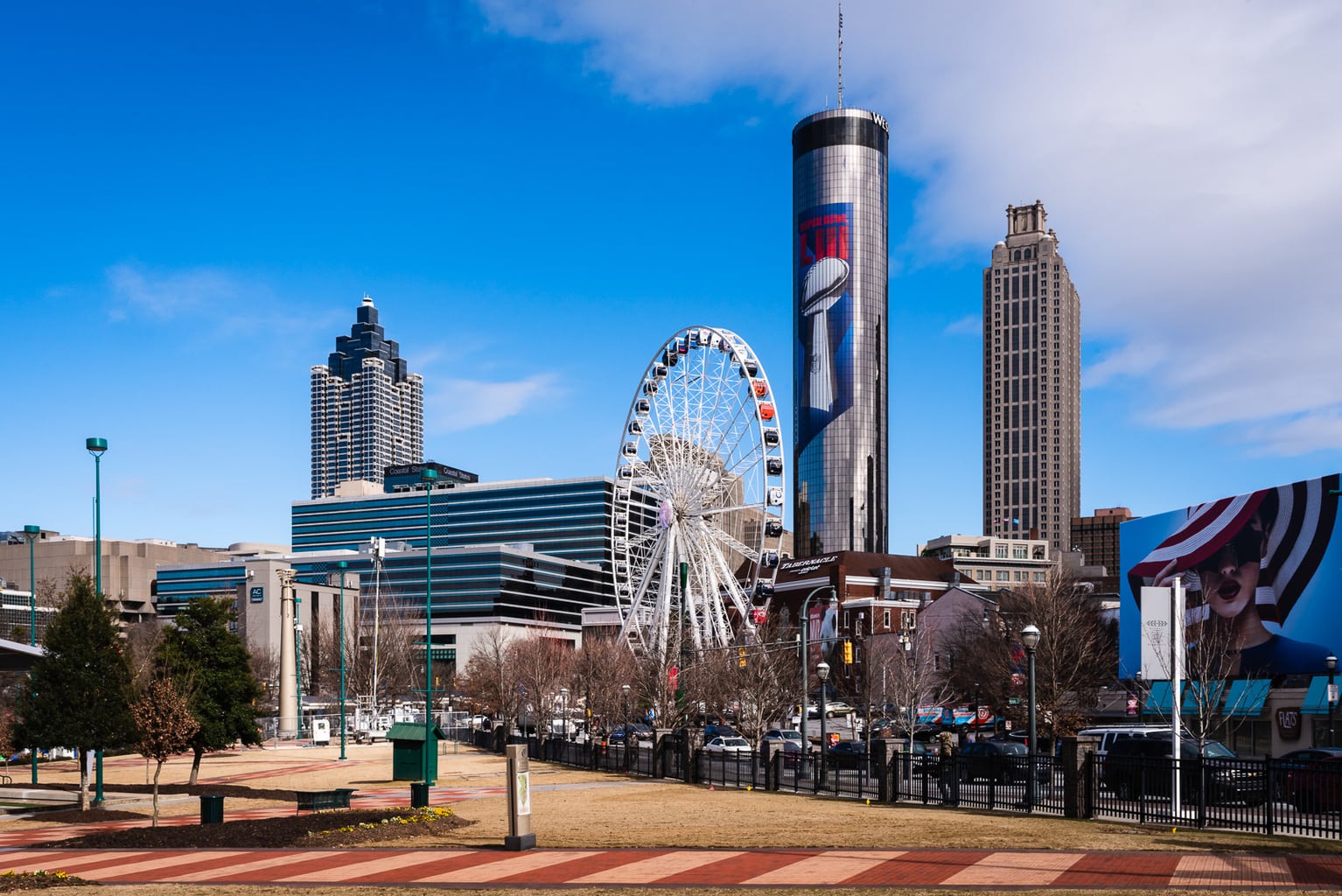
Atlanta’s trade show demand distributes across four distinct operating zones rather than concentrating in a single core. Downtown Atlanta functions as the flagship district through the combined draw of the Georgia World Congress Center, Centennial Olympic Park, and AmericasMart. These venues generate the highest density of large-scale conventions, product activations, and wholesale buyer engagements in the Southeast.
The airport and College Park corridor leverages direct ATL SkyTrain connectivity from Hartsfield-Jackson for fly-in efficiency at the Georgia International Convention Center and Gateway Center Arena. Northwest and northeast suburban corridors, led by Cobb Convention Center and Gas South Convention Center, address corporate, association, and regional community programs that benefit from interstate access and differentiated attendee profiles.
This locations index maps these zones and supporting districts including Midtown, Buckhead, West Midtown, Old Fourth Ward, Sandy Springs, Brookhaven, Decatur, Dunwoody, Chamblee, and Doraville to support precise planning that aligns exhibit scale, technical requirements, and audience expectations with each venue’s operational realities.
Downtown Atlanta as the Flagship Convention Cluster
Downtown Atlanta creates the market’s deepest concentration of exhibit demand. The Georgia World Congress Center supplies expansive halls with documented planning parameters for large-scale booth construction, safety compliance, and material handling. Centennial Olympic Park extends these programs with outdoor activation space that integrates with indoor exhibits for multi-sensory campaigns.
AmericasMart Atlanta adds permanent showroom and seasonal market programming that requires custom stands capable of supporting both temporary events and longer-term buyer presentations. The physical clustering of these assets enables efficient multi-venue schedules and cross-promotion within a walkable footprint.
Planning for downtown events prioritizes alignment with venue-specific floor plans, ceiling heights, and dock procedures that differ measurably from suburban facilities. Early coordination of these elements prevents common scheduling conflicts during peak convention calendars.
Airport and College Park Corridor for Fly-In Efficiency
Venues positioned along the airport corridor emphasize convenience for national and international audiences. The Georgia International Convention Center maintains direct ATL SkyTrain linkage, allowing attendees to reach the exhibit floor within minutes of deplaning at Hartsfield-Jackson.
Gateway Center Arena complements this infrastructure with arena-scale capabilities suited for hybrid conferences and product demonstrations. These facilities support tighter event timelines by minimizing ground transportation variables that affect downtown or suburban programs.
Exhibit planning in this zone focuses on maximizing the convenience factor through designs that facilitate rapid setup and high-engagement interactions. Floor plan flexibility at GICC accommodates varied booth footprints while maintaining utility access required for technical displays.
Cobb and Cumberland Submarket for Corporate and Association Programs
The northwest corridor centered on Cobb Convention Center captures demand from technology, manufacturing, and professional association events that favor suburban logistics. This zone offers interstate proximity and adjacent business accommodations that appeal to attendees with compressed schedules.
Compared to downtown density, Cobb-area venues support focused product theaters and technical demonstrations where exhibit architecture can emphasize depth over breadth. Planning here accounts for attendee travel patterns that differ from fly-in airport or dense downtown profiles.
Operational details such as load-in windows and parking capacity enable more deliberate installation timelines. Coordination strategies often incorporate modular components that adapt across repeated Cobb corridor programs throughout the calendar year.
Duluth, Gwinnett, and Northeast Suburban Venues
The northeast corridor including Gas South Convention Center addresses association, corporate, and community-oriented events that draw both local and regional participants. These facilities provide larger parking resources and flexible scheduling compared to downtown’s constrained urban footprint.
Exhibit approaches in the Gwinnett zone balance educational content with interactive elements suited to mixed audience demographics. The operational scale supports programs that require extended display durations or multi-day build sequences without the intense concurrent event pressure of the GWCC campus.
District differentiation becomes evident when comparing traffic flow, audience intent, and technical infrastructure against downtown or airport alternatives. Informed mapping of these variables improves resource allocation across an integrated Atlanta program.
Midtown, Buckhead, West Midtown, and Additional Districts
Secondary districts including Midtown Atlanta, Buckhead, West Midtown, Old Fourth Ward, Sandy Springs, Brookhaven, Decatur, Dunwoody, Chamblee, and Doraville extend the market’s reach with targeted activations and supplementary programming. These areas often support satellite events, corporate receptions, or creative experiential stands that reinforce primary convention objectives.
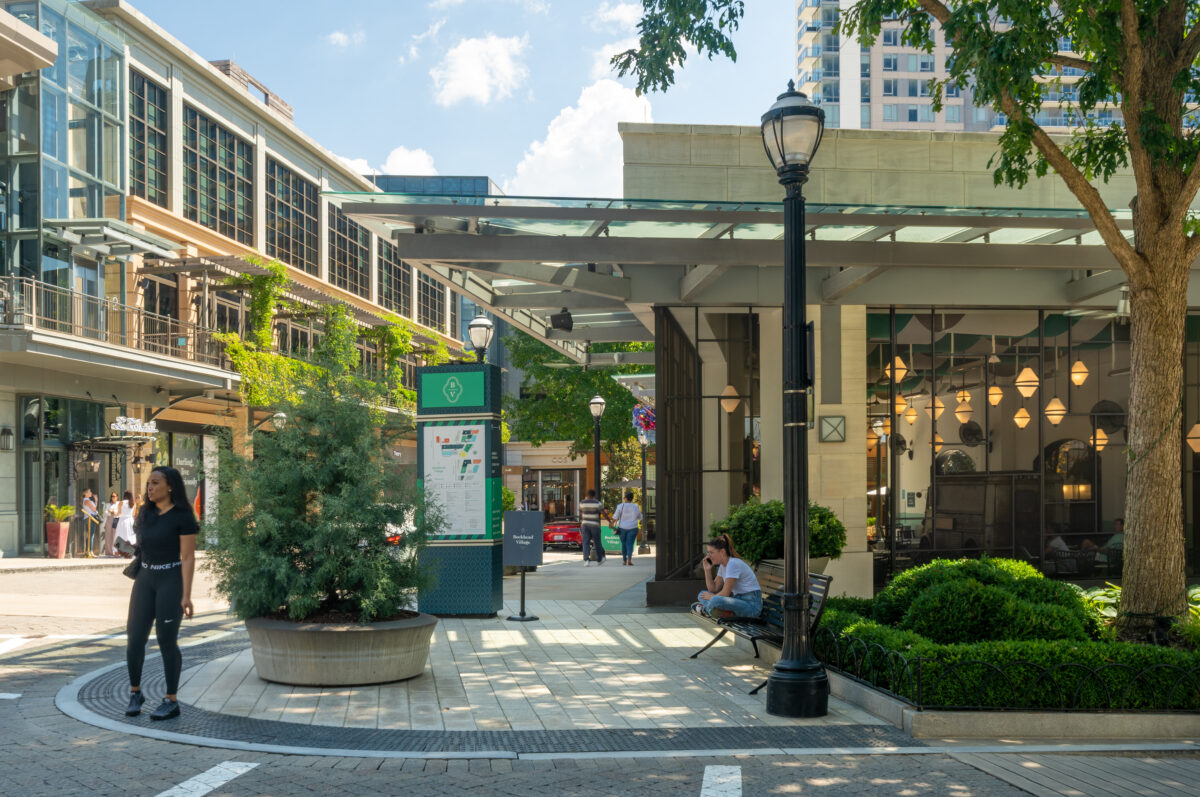
Buckhead’s corporate concentration favors refined aesthetics and premium demonstrations, while West Midtown’s creative character accommodates innovative designs that leverage unique architectural contexts. Decatur and Brookhaven provide neighborhood-scale opportunities that connect with local professional communities.
Coordination across these districts requires maintaining visual and messaging consistency with larger downtown or suburban center programs. Venue specifications vary by location, making district-level mapping essential during initial strategy development.
Integrated Planning Framework for Atlanta’s Multi-Zone Market
Viewing Atlanta as four interconnected zones rather than isolated venues produces more resilient exhibit strategies. Programs can combine downtown visibility at the GWCC campus with airport efficiency at GICC and targeted follow-up in Cobb or Gwinnett facilities.
Successful coordination begins with calendar alignment, venue technical documentation review, and audience travel pattern analysis. This foundation supports asset designs that deploy effectively across differing ceiling heights, load capacities, and traffic densities.
The approach avoids One Size Fits All assumptions and instead matches stand formats, material choices, and engagement tactics to each location’s documented strengths. The result is measurable improvement in both operational efficiency and program outcomes across the full Atlanta market.