Atlanta Event Types

Roadshow Services Atlanta GA

Atlanta booth planning, fabrication, logistics, and show-floor control.

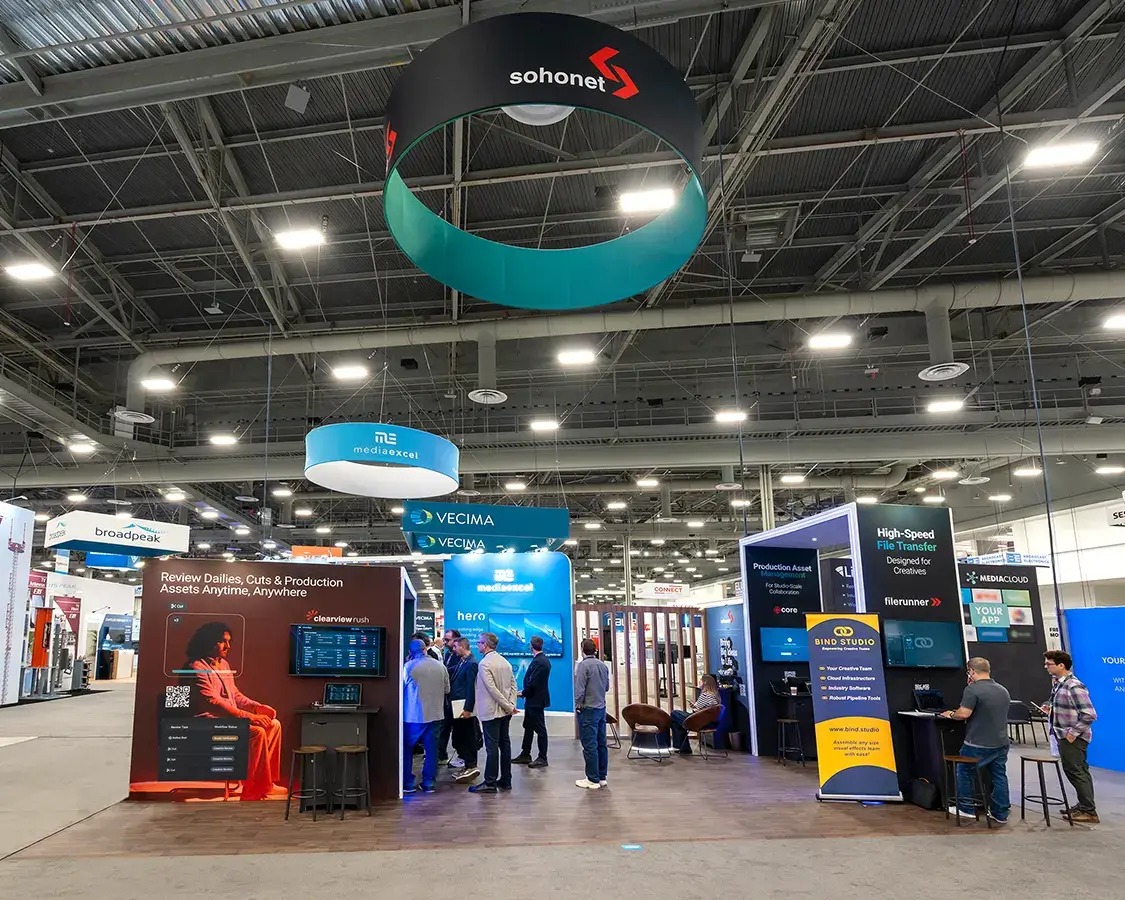
Orchestrating roadshow campaigns across Atlanta's diverse venue clusters demands precise coordination of modular exhibit builds, multi-stop logistics, and venue-specific adaptations to maximize impact in high-traffic convention zones.

Primary focusrepeatable setup, travel efficiency, and storage discipline
Pre-show needAligned schedule, approvals, and production releases
Outcome targetA calm guest experience with measurable event results

Downtown Atlanta as Roadshow Anchor

The downtown Atlanta cluster, encompassing the Georgia World Congress Center, Centennial Olympic Park, and AmericasMart Atlanta, forms the backbone for roadshow campaigns seeking maximum exposure amid flagship conventions and buyer gatherings. GWCC's planning guide outlines extensive exhibit space capable of accommodating large modular stands with integrated rigging for overhead elements, allowing roadshow teams to deploy immersive product demonstrations that evolve across stops while maintaining structural integrity. Centennial Olympic Park complements this with open-air activation zones ideal for experiential touchpoints that spill into pedestrian pathways, enabling roadshows to extend beyond enclosed halls into public realms during peak convention seasons.

AmericasMart Atlanta's market-week cadence provides rhythmic scheduling opportunities for roadshows targeting trade buyers, where permanent showroom integrations pair with temporary booth builds designed for quick swaps between gift, apparel, and rug markets. Coordinators leverage these venues' clustered proximity to streamline freight deliveries via downtown arteries, minimizing downtime between setups and ensuring exhibit components like tension fabric systems and LED video walls transition smoothly. This zone's depth in exhibit demand supports roadshows that scale from intimate VIP previews to full-hall spectacles, with planning emphasizing compliance with load-in sequences that prioritize high-traffic corridors.
Airport Corridor for Efficient Roadshow Stops

The Georgia International Convention Center and Gateway Center Arena in the College Park area excel for roadshow legs emphasizing fly-in convenience, with GICC's floor plans and SkyTrain linkage facilitating swift participant access and exhibit installations timed to airline schedules. Roadshow planning here incorporates aviation-adjacent logistics, such as palletized shipping to on-site docks and modular stands that assemble within tight four-hour windows to match fast-turn meeting programs. Gateway Center Arena adds versatility for sports-adjacent activations, where exhibit designs incorporate dynamic lighting and modular partitioning to fit arena concourses or adjacent ballrooms.

This corridor's positioning captures transient audiences from international flights, making it a strategic midpoint for roadshows bridging downtown spectacles with suburban extensions. Coordinators detail freight paths from I-85 interchanges to venue bays, ensuring components like rollable counters and stackable podiums endure pallet jack handling without misalignment. Emphasis on durable, lightweight materials sustains visual punch across stops, while pre-planned electrical drops align with GICC's power grid for uninterrupted interactive demos.

Suburban Venues for Roadshow Expansion

Northwest Atlanta's Cobb Convention Center addresses corporate and regional trade show demands with ballroom-driven programs, offering roadshow planners flexible footprints for exhibits that adapt from executive briefings to exhibitor halls. Roadshows here benefit from submarket accessibility via I-75, allowing efficient positioning of transportable stands with crank-up mechanisms for adjustable heights matching venue ceilings. Northeast extensions to Gas South Convention Center in the Duluth and Gwinnett corridor capture association events, where expansive exhibit floors support sequential activations phased across community calendars.

These suburban anchors diversify roadshow itineraries beyond urban cores, with coordination focusing on overnight storage transitions and vehicle routing to avoid peak-hour congestion. Exhibit designs prioritize portability, featuring interlocking base plates and tensioned graphics that recalibrate for varying lighting conditions, from Cobb's natural ballroom light to Gas South's arena-style illumination. This approach ensures brand consistency while exploiting local demand clusters for targeted outreach.

Modular Design Strategies for Roadshow Durability

Roadshow exhibit builds hinge on modularity to endure multi-venue rigors, with frameworks utilizing aluminum extrusion systems that bolt into configurable grids for GWCC's vast halls or GICC's column-free spaces. Planners specify components like Segue-style frames for curved walls and Sico podiums for demo stations, ensuring disassembly into skidded cases compliant with freight limits on Atlanta's highways. Graphics employ UV-printed fabrics with magnetic attachments for field swaps, maintaining freshness across downtown market weeks at AmericasMart or fly-in stops at College Park.

Durability extends to interactive elements, such as touchscreens housed in protective crates and RF-powered sensors for lead capture that recalibrate per venue Wi-Fi. Coordination includes material audits pre-tour, verifying wind-load ratings for Centennial Park outdoor segments and fire-rated panels for arena integrations at Gateway Center. This granular design process underpins roadshows that sustain high-fidelity presentations over weeks of travel.

Logistics Coordination Across Zones

Inter-zone logistics form the operational core of Atlanta roadshows, mapping routes from downtown GWCC docks through I-20 to Cobb facilities or MARTA-linked airport venues. Planners sequence load-outs with venue-specific dwell times, employing third-party drayage for palletized transfers that preserve exhibit alignment during 30-60 minute hauls. SkyTrain and SkyRide integrations at GICC expedite crew movements, while pre-booked freight elevators at AmericasMart prevent bottlenecks during peak market days.

Risk mitigation involves contingency kits for common issues like carpet mismatches or power surges, with digital manifests tracking assets from Suburban Cobb setups to Gas South culminations. This layered approach ensures fluid progression, adapting to weather delays on Centennial Park exteriors or union protocols at GWCC without derailing timelines.

Activation and Engagement Tactics

Roadshow activations leverage venue notes for tailored engagement, deploying gamified kiosks in GWCC's high-footfall aisles or pop-up lounges at Centennial Olympic Park to amplify dwell times. At airport venues, quick-hit demos utilize GICC's open floor plans for throughput efficiency, while Cobb ballrooms host seated roadshow pitches with integrated AV risers. Planners script progressions from passive views to interactive trials, using modular shelving for product rotations that refresh across stops.

Metrics-driven tactics include heat-mapping attendee flows at AmericasMart markets and QR integrations for Gas South sessions, ensuring data continuity. This venue-responsive activation elevates roadshows from static displays to dynamic brand experiences.

Performance Review and Iteration

Post-roadshow evaluations dissect metrics from each cluster, contrasting GWCC lead volumes against suburban conversions at Cobb to refine future modular kits. Coordinators compile freight damage logs and setup variances, iterating designs for lighter footprints in fly-in GICC scenarios. Venue feedback loops, such as AmericasMart buyer surveys, inform graphic refreshes, closing the planning cycle with data-backed enhancements for sustained campaign efficacy.

This iterative framework positions roadshows as evolving assets, leveraging Atlanta's zonal insights for progressive optimization.

Questions teams ask before they lock the brief

How do Atlanta's venue zones influence roadshow routing?

Downtown clusters like GWCC and AmericasMart anchor high-impact legs, airport corridors enable quick fly-ins at GICC, and suburban sites like Cobb extend reach, allowing routes that balance visibility with logistics efficiency.

What modular features suit multi-venue roadshows?

Aluminum extrusions, magnetic graphics, and skiddable cases facilitate rapid setups across GWCC halls, Centennial activations, and GICC floors, enduring transport between zones.

Why prioritize airport-adjacent stops for roadshows?

GICC and Gateway Center leverage SkyTrain for smooth access, supporting fast-turn events that fit tight roadshow itineraries with minimal downtime.

How to adapt exhibits for suburban conventions?

Portable crank-up systems and interlocking bases conform to Cobb ballroom heights and Gas South exhibit specs, maintaining consistency outside downtown.

What logistics details matter for GWCC roadshows?

Align with planning guide load-in protocols, using docks near I-75/85 for efficient drayage to expansive halls supporting flagship modular deployments.

Can roadshows integrate outdoor elements?

Centennial Olympic Park zones allow experiential extensions from indoor GWCC setups, with wind-rated structures for public activations.

Related topics that shape the same decision

12 Atlanta-focused event types topics support real buyer decisions around design, labor, freight, venue fit, graphics, and post-show value.