Atlanta trade show demand divides across four operational zones that shape planning decisions at every level. The downtown Atlanta flagship zone, led by the Georgia World Congress Center, Centennial Olympic Park, and AmericasMart, concentrates large conventions, public activations, and high-volume buyer traffic. This core demands exhibits capable of standing out amid intense competition and extensive infrastructure. By contrast, the airport and College Park corridor prioritizes fly-in efficiency through venues such as the Georgia International Convention Center and Gateway Center Arena, where programs often feature compressed schedules and direct connectivity via the ATL SkyTrain.
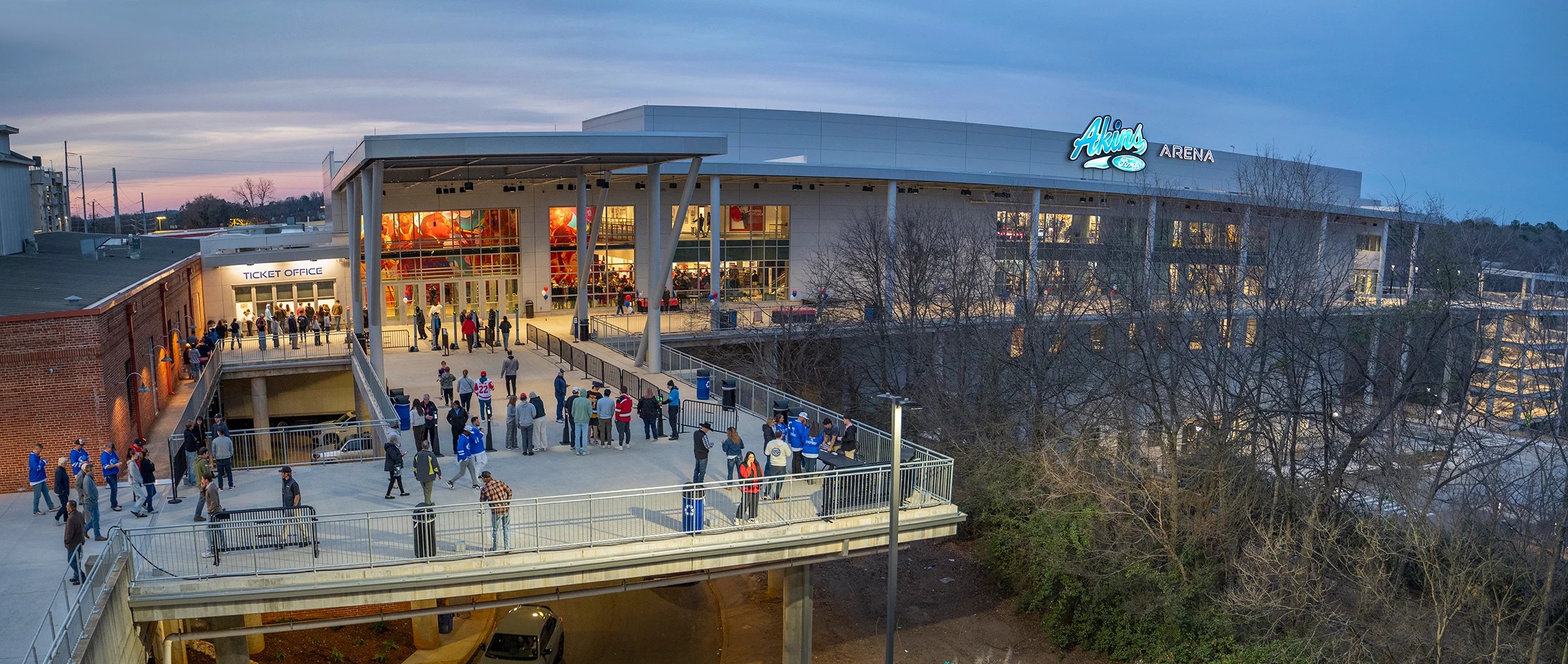
Northwest suburban zones around Cobb Convention Center address corporate events, regional trade shows, and ballroom-centric formats, while the northeast Gwinnett corridor through Gas South Convention Center supports community expos, business gatherings, and arena-scale activations. The Classic Center Athens functions as a strategic extension of this northeast radius, broadening the practical operating area for exhibitors seeking audiences tied to university, association, and specialized regional calendars. This positioning avoids over-reliance on downtown density while maintaining logistical ties to Atlanta-based planning resources.
Such geographic differentiation informs every aspect of exhibit strategy. Designs successful in the high-traffic downtown environment may require recalibration for the more focused, conversation-oriented settings typical of regional venues. Coordination that spans these zones creates efficiencies in asset development, allowing modular custom stands to transition between scales without full redesign. Market takeaways underscore the value of this comprehensive view, positioning the Classic Center as a venue that captures demand outside primary clusters without sacrificing alignment to the overall Atlanta ecosystem.
Planning therefore begins with zone-specific analysis rather than cookie-cutter approaches. This ensures that participation at the Classic Center contributes to a cohesive regional presence, where operational details such as transport routing, setup sequencing, and post-event logistics receive the same rigor applied to flagship facilities.