Atlanta Services

Show Site Supervision for Atlanta Trade Shows

Atlanta booth planning, fabrication, logistics, and show-floor control.

Comprehensive show site supervision delivers the vigilant oversight needed to manage exhibit installations, operational performance, and dismantle processes across Atlanta's diverse convention venues, ensuring exhibitors meet tight deadlines amid varying logistical demands.

Primary pressureschedule control, venue fit, and dependable show-floor delivery
Key milestoneGraphics, labor, and freight locked before move-in
Show-site goalClean install, steady staffing, and controlled teardown

Mastering Load-In and Setup in Downtown Venues

In downtown Atlanta's cluster encompassing Georgia World Congress Center, Centennial Olympic Park, and AmericasMart Atlanta, show site supervision begins with orchestrating load-in sequences that align with each venue's freight management systems, where GWCC's expansive halls require advance coordination for multiple bay assignments during peak conventions. Supervisors track incoming shipments Hour by Hour, ensuring booth components arrive sequenced for efficient unloading and transfer to exhibit floors via dedicated elevators or escalators, while mitigating backups from concurrent events that characterize this flagship zone's nonstop activity. This phase sets the foundation for on-time completion by preempting bottlenecks like pallet jack shortages or ramp access delays common in high-volume environments.

Once components reach the booth space, supervision intensifies on assembly verification, confirming that modular stands interlock securely under the venue's lighting grids and carpet configurations, with particular attention to overhead rigging approvals at Centennial Olympic Park activations. Teams cross-check blueprints against physical builds, adjusting for minor hall variances such as column placements that could shift island booth footprints, all while maintaining fire lane clearances mandated for public-facing exhibits. This hands-on validation minimizes rework, preserving labor budgets amid downtown's premium union rates and compressed timelines.

Final setup walkthroughs involve full-system tests, from power distribution panels compliant with AmericasMart's showroom standards to interactive display calibrations, ensuring exhibits launch show-ready without last-minute scrambles that erode exhibitor confidence.

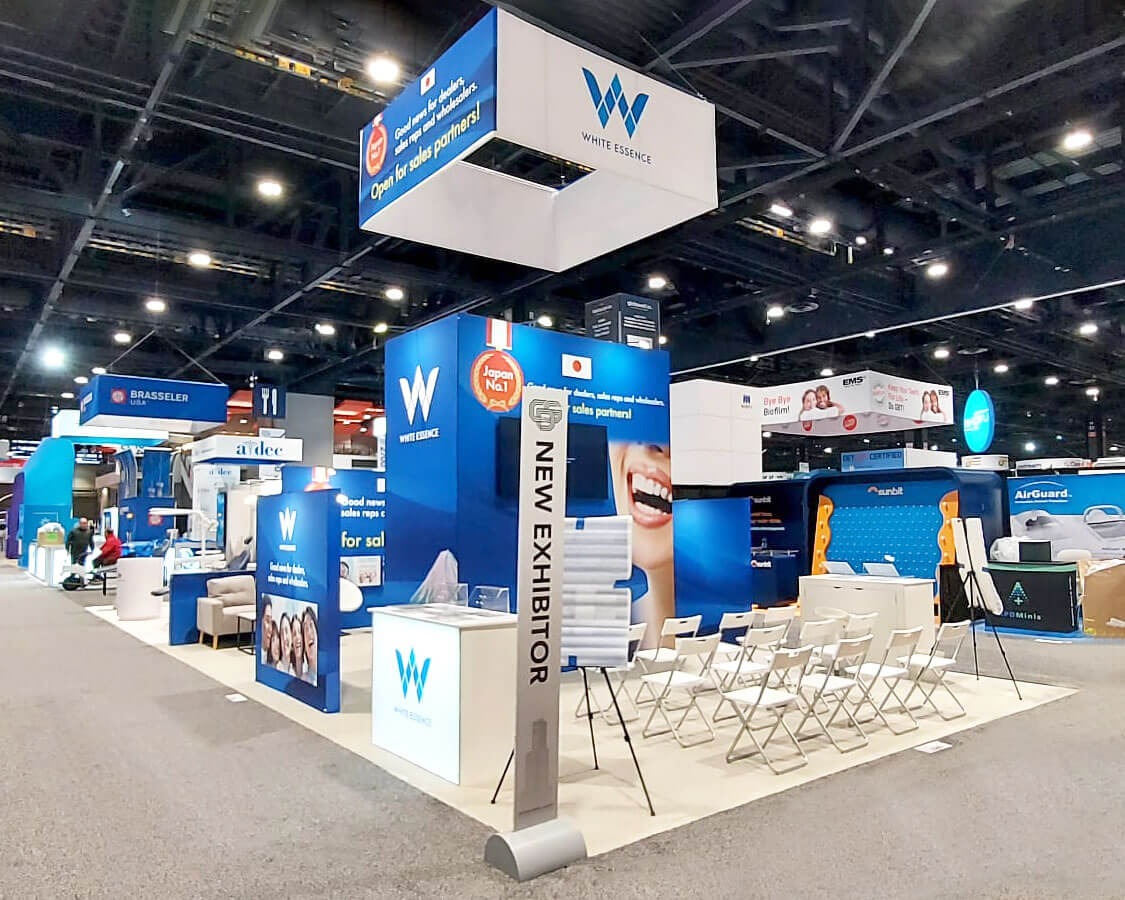
Operational Oversight During Atlanta Show Days

Across Atlanta's venues, the supervision shifts to proactive daily management once doors open, monitoring booth performance under real-world conditions like surging crowds at GWCC trade floors or targeted buyer traffic during AmericasMart market weeks. Supervisors patrol perimeters to safeguard high-value displays from incidental contact, while facilitating staff rotations and restocking without interrupting engagement zones, adapting to fluctuating hall temperatures or HVAC variances that affect electronics reliability in marathon events.

Venue-specific protocols receive constant attention, such as enforcing Gateway Center Arena's arena-adjacent access controls or GICC's SkyTrain-timed visitor surges, where quick adjustments to queue management prevent bottlenecks at booth entrances. This includes liaising with security for VIP access and AV crews for audio-visual troubleshooting, ensuring activations like product demos run flawlessly despite adjacent programming noise.

End-of-day sweeps capture minor repairs and inventory tallies, preparing for next-day peaks while compiling incident logs that inform real-time refinements, a practice honed for Atlanta's extended multi-day formats that test endurance across zones.

Coordinating Across Airport and Suburban Zones

Atlanta's airport-adjacent venues like Georgia International Convention Center and Gateway Center Arena demand supervision attuned to fly-in cadences, where events compress into 48-hour windows leveraging ATL SkyTrain proximity for delegate convenience, requiring accelerated setups that sync with morning arrivals and evening departures. Supervisors prioritize dock priority negotiations to front-load freight, compensating for limited holding areas and expediting floor transfers to meet aggressive install targets before first sessions.

In northwest Cumberland/Cobb and northeast Duluth/Gwinnett corridors, such as Cobb Convention Center or Gas South Convention Center, oversight adapts to regional scales with ballroom-heavy layouts and corporate focuses, verifying exhibit scalability to lower ceilings and modular partitions while coordinating parking for JIT deliveries. These suburban dynamics involve balancing smaller crews against venue staff ratios, ensuring compliance with local permitting for outdoor extensions when applicable.

Unified protocols bridge zones by standardizing checklists for cross-venue shows, like those spanning GWCC to GICC, where supervisors relay updates via centralized logs to maintain consistency in branding and safety across disparate logistics footprints.

Dismantle and Move-Out Precision

Post-show dismantle phases in Atlanta venues hinge on supervision to execute reverse-load sequences that reclaim deposits and evade penalties, starting with GWCC's strict pack-out curfews enforced across its vast exhibit halls to clear space for turnover events. Supervisors sequence deconstruction from ceiling elements downward, packing components to minimize damage during palletizing and staging for outbound trucks, while documenting condition reports to settle carrier claims efficiently.

Airport venues amplify urgency, as GICC's proximity to runways necessitates nighttime-only move-outs synced with flight downtimes, prompting pre-planned trucking manifests that supervisors validate against booth inventories for zero omissions. Suburban sites like Cobb allow more flexible windows but demand vigilance against weather interruptions, with tarping protocols for outdoor staging.

Final venue sweeps confirm cleanliness standards, removing all traces from carpets and walls per AmericasMart's showroom protocols, culminating in handover sign-offs that expedite exhibitor transitions to storage or next-event shipping.

Risk Mitigation and Compliance Navigation

Atlanta's venue diversity introduces layered risks that the supervision systematically counters, from downtown's fire marshal inspections at Centennial Olympic Park public activations to GICC's electrical load certifications for high-draw booths. Supervisors conduct preemptive audits aligning exhibits with each facility's planning guides, such as GWCC's rigging weight limits or AmericasMart's aisle width enforcements, averting citations that halt operations mid-show.

Contingency planning covers disruptions like freight delays from corridor traffic or power fluctuations in suburban ballrooms, with on-hand toolkits and vendor contacts enabling rapid fixes without escalating to full halts. Daily compliance huddles with I&D teams reinforce protocols, fostering accountability across exhibitor-appointed contractors and general contractors.

Reporting frameworks capture metrics on adherence and incidents, providing exhibitors with actionable insights for refining future activations across Atlanta's zones.

Integrating Supervision with Broader Exhibit Programs

The supervision amplifies when woven into full-spectrum planning, coordinating smoothly with design, fabrication, and labor management for Atlanta exhibitors targeting multi-venue rotations like Downtown to Airport circuits. Supervisors leverage pre-event blueprints to anticipate interfaces, such as AV integrations at Gateway Center Arena or modular adaptations for Cobb's variable spaces, ensuring holistic execution.

This integration extends to program management, where oversight data feeds post-event debriefs, optimizing resource allocations for recurring shows amid Atlanta's convention calendar density. Exhibitors gain continuity, with supervision bridging install to activation phases without silos.

Tailored to stand-builder workflows, it emphasizes structural validations that protect investments in custom exhibits across all zones.

Questions teams ask before they lock the brief

What timeline does show site supervision typically cover in Atlanta venues?

Coverage spans from initial load-in 24-48 hours pre-show through dismantle completion post-close, customized to venue schedules like GWCC's multi-day curfews or GICC's rapid turnarounds.

How does supervision handle multi-zone events in Atlanta?

Centralized coordination uses shared digital logs to track progress across downtown, airport, Cobb, and Gwinnett venues, ensuring uniform standards despite logistical variances.

What compliance areas receive priority oversight?

Focus includes fire safety, electrical loads, aisle clearances, and rigging per each venue's guides, such as AmericasMart showroom rules or Centennial Park public activations.

Can supervision integrate with existing I&D crews?

Yes, it complements exhibitor-appointed contractors by providing independent verification and liaison without supplanting on-site labor direction.

How is performance documented during supervision?

Daily reports detail metrics, incidents, and adjustments, delivered via secure portals for exhibitor review and archival.

What distinguishes supervision in suburban vs. downtown Atlanta?

Suburban like Cobb emphasizes flexible scaling and parking logistics, while downtown prioritizes high-volume crowd management and union-timed protocols.

Related topics that shape the same decision

32 Atlanta-focused services topics support real buyer decisions around design, labor, freight, venue fit, graphics, and post-show value.