Atlanta Services

Product Launch Environments Atlanta

Atlanta booth planning, fabrication, logistics, and show-floor control.

Atlanta's convention ecosystem spans downtown anchors, airport-accessible facilities, and suburban expo centers, making it ideal for orchestrating product launch environments that captivate audiences across multiple zones.

Primary pressurebrand immersion, guest flow, and fast reset capability
Key milestoneGraphics, labor, and freight locked before move-in
Show-site goalClean install, steady staffing, and controlled teardown

Downtown Atlanta Launch Hubs

The downtown cluster centered on Georgia World Congress Center, Centennial Olympic Park, and AmericasMart Atlanta forms the backbone for high-stakes product launches, where large conventions draw thousands into exhibit spaces primed for dramatic reveals. GWCC's vast halls accommodate sprawling environments with multiple product interaction pods, overhead lighting grids for dynamic reveals, and adjacent registration areas that funnel attendees directly into launch zones. Centennial Olympic Park extends these indoors setups outdoors, enabling hybrid activations where product demos spill into public plazas surrounded by convention overflow crowds, amplifying visibility during peak event seasons.

AmericasMart's multi-building campus supports market-week launches blending showroom integration with standalone exhibit islands, where coordinators position products amid buyer traffic from gift, apparel, and home sectors. This zone's depth requires environments that withstand week-long footfall, incorporating durable flooring for high-heel crowds, modular walls for daily reconfiguration, and integrated AV for looped demo videos. Planning here emphasizes clustering launches near escalators and skybridges to capture cross-building flows, ensuring products stand out in the permanent showroom context without competing directly against leased spaces.
Airport Corridor Fly-In Launches

Georgia International Convention Center and Gateway Center Arena in College Park cater to product launches targeting transient fly-in audiences, leveraging ATL SkyTrain for smooth airport access that minimizes ground transport delays. GICC's 90,000 sq ft exhibit space suits mid-scale environments with pre-function lobbies ideal for teaser displays and main halls for full reveals, where quick-load docks handle overnight freight for morning setups. Gateway Center Arena adds sports-adjacent energy, positioning launches near 5,000-seat seating bowls for hybrid event-product unveilings that blend conference sessions with arena spectacle.

These venues demand environments optimized for fast-turn programs, featuring lightweight modular frames that assemble in hours, battery-powered interactives for power-constrained zones, and clear sightlines from SkyTrain platforms drawing early arrivals. Coordinators plan for airport-corridor logistics, sequencing trucking through College Park routes to avoid peak Hartsfield-Jackson congestion, while incorporating wayfinding that guides jet-lagged attendees from shuttles into core launch areas without overwhelming smaller footprints.

Suburban Expo Center Strategies

Cobb Convention Center in the Cumberland submarket and Gas South Convention Center in Duluth/Gwinnett handle corporate and regional product launches outside downtown density, offering ballroom-driven environments that integrate exhibit islands with plenary sessions. Cobb's 250,000 sq ft total space allows northwest-submarket unveilings with dedicated freight elevators feeding exhibit halls, ideal for machinery or vehicle products requiring wide aisles and high bays. Gas South mirrors this with 350,000 sq ft across Gwinnett, supporting association events where launches occupy central podiums amid breakout rooms.

Suburban planning prioritizes accessibility for regional drivers, designing environments with perimeter demo stations that feed into core reveal stages, plus climate-controlled storage adjacencies for phased rollouts. These venues capture demand from Atlanta's expanding corporate footprint, enabling launches that feel intimate yet scalable, with traffic patterns routed through ample parking decks rather than urban gridlock.

Turnkey Coordination Across Zones

Bridging Atlanta's four corridors requires centralized planning that synchronizes product launch environments from downtown flagships to suburban outposts, ensuring consistent branding amid venue variances. Coordinators map shared elements like digital wayfinding kiosks adaptable to GWCC's hall numbering or GICC's SkyTrain signage, while scaling physical footprints from Centennial's open plazas to Cobb's enclosed ballrooms. This approach delivers unified narratives, with product stories unfolding identically whether in AmericasMart showrooms or Gas South multipurpose spaces.

Logistics orchestration involves pre-clearing multi-venue freight paths, from I-75/85 downtown arteries to I-285 suburban loops, timing installs to dodge convention overlaps like GWCC's Mercedes-Benz Stadium conflicts. Environments incorporate universal modularity—stackable pedestals, tension fabric graphics, LED video walls—that redeploy across zones, maximizing ROI for multi-stop launch tours within Atlanta's ecosystem.

Immersive Design Principles

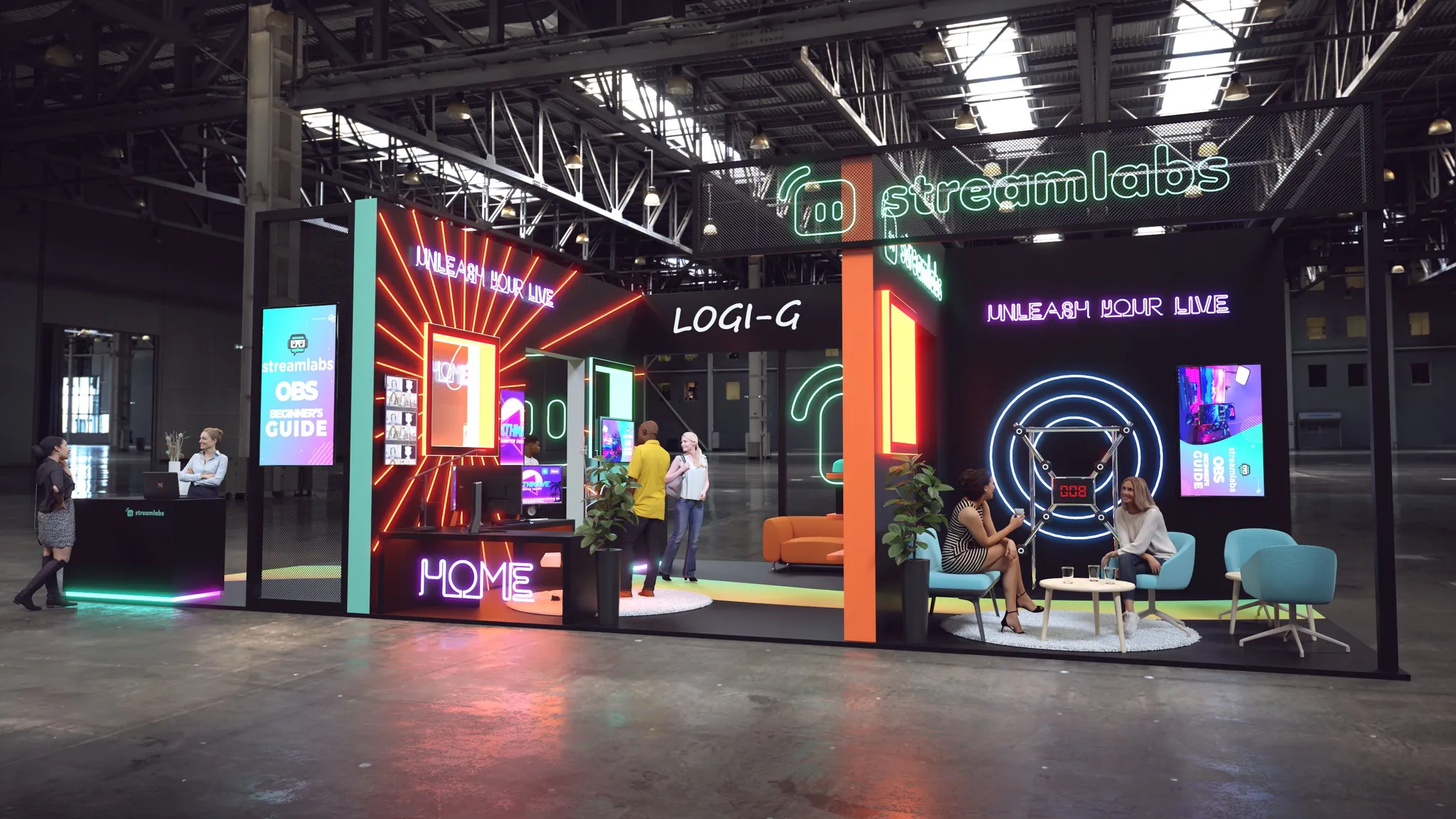
Product launch environments thrive on sensory immersion tailored to Atlanta venue dynamics, starting with GWCC-scale hero structures that employ curved LED facades for 360-degree product orbits visible from upper concourses. Downtown activations at Centennial integrate weatherproof flooring and wind-resistant banners, drawing park strollers into branded lounges that preview hall interiors. AmericasMart designs layer vertical merchandising towers amid horizontal showroom flows, using scent diffusers and haptic feedback stations to engage tactile buyers during extended market weeks.

Airport venues favor compact, high-impact clusters at GICC, with motion-sensor interactives that activate upon SkyTrain arrivals and collapsible arches framing arena entries at Gateway. Suburban setups at Cobb and Gas South emphasize horizontal sprawl, positioning product islands amid banquet rounds with underlit pedestals syncing to session AV. Core principles include 40% open space for flow, 30% demo zones, and 30% hospitality nooks, calibrated to each cluster's dwell times and demographics.

Logistics and Activation Planning

Effective product launches in Atlanta hinge on logistics that align environment builds with venue operational windows, such as GWCC's 24/7 freight scheduling amid convention peaks or GICC's SkyTrain-timed passenger surges. Coordinators sequence activations starting with pre-event teasers in lobbies, escalating to full reveals synced with keynote slots, then post-launch data capture via QR-embedded graphics. Across zones, this means pre-loading modular kits at neutral staging points to bypass downtown bans on overnight parking.

Activation flows incorporate crowd analytics from past events, positioning high-touch demos away from GWCC entry chokepoints or Cobb ballroom egresses, while airport setups use timed lighting cues to pulse with flight banks. Suburban launches extend into evenings at Gas South, with environments lingering as networking hubs post-sessions, supported by phased dismantle plans that repack for next-zone hops.

Program Management Essentials

Managing product launch programs across Atlanta's venues demands oversight of timelines from RFP response to post-event metrics, ensuring environments evolve with show agendas at GWCC's multi-hall marathons or AmericasMart's phased markets. Coordinators track interdependencies like Centennial weather contingencies or GICC SkyTrain disruptions, deploying contingency footprints that shrink or expand on demand. This holistic view captures ROI through attendee scans, lead gen integrations, and environment reuse audits.

Suburban programs at Cobb and Gas South benefit from extended load-in windows, allowing iterative tweaks based on corporate previews, while downtown intensity requires pre-approved AV rider compliance for smooth reveals. Final handoffs include digital twins of setups for future iterations, preserving launch DNA across Atlanta's corridor-spanning opportunities.

Questions teams ask before they lock the brief

What makes downtown Atlanta ideal for product launches?

The Georgia World Congress Center, Centennial Olympic Park, and AmericasMart cluster provides unmatched scale for flagship reveals, public activations, and market-week buyer access, handling large conventions with deep exhibit and logistics infrastructure.

How do airport venues support fly-in product launches?

Georgia International Convention Center and Gateway Center Arena offer SkyTrain proximity for quick airport access, suiting fast-turn environments with exhibit halls and arena adjacencies for transient conference crowds.

Why consider suburban Atlanta for launches?

Cobb Convention Center and Gas South Convention Center capture corporate and regional demand with ballroom-integrated exhibits, ample parking, and mid-scale footprints outside downtown congestion.

How to coordinate launches across multiple zones?

Centralized planning synchronizes modular designs, freight paths, and activation timelines via I-75/85 and I-285 routes, ensuring brand consistency from GWCC halls to Gwinnett expos.

What design elements work best in Atlanta venues?

Immersive zones with LED facades, modular pedestals, and traffic-optimized demos adapt to GWCC grandeur, Centennial outdoors, GICC quick-turns, and Cobb ballrooms.

What logistics challenges arise in Atlanta product launches?

Navigating peak trucking at downtown, SkyTrain timing at airport, and stadium overlaps at GWCC requires sequenced installs and universal modularity for smooth execution.

Related topics that shape the same decision

32 Atlanta-focused services topics support real buyer decisions around design, labor, freight, venue fit, graphics, and post-show value.