Atlanta Services

Exhibit Storage and Asset Management in Atlanta

Atlanta booth planning, fabrication, logistics, and show-floor control.

Managing exhibit assets across Atlanta's dispersed convention zones demands precise planning to handle the transitions between downtown flagships like the Georgia World Congress Center and suburban facilities such as the Cobb Convention Center, ensuring components remain organized and ready for deployment without logistical disruptions.

Primary pressureinventory care, refurbishment timing, and reuse planning
Key milestoneGraphics, labor, and freight locked before move-in
Show-site goalClean install, steady staffing, and controlled teardown

Adapting Storage to Atlanta's Four-Zone Convention Dynamics

Exhibitors operating in Atlanta face the challenge of assets circulating through downtown Atlanta's dense cluster—including the Georgia World Congress Center, Centennial Olympic Park, and AmericasMart Atlanta—alongside the airport and College Park venues like the Georgia International Convention Center and Gateway Center Arena, the Cumberland and Cobb area's Cobb Convention Center, and the Duluth and Gwinnett corridor's Gas South Convention Center. Storage planning must therefore incorporate zone-specific retrieval timelines, ensuring that heavy-duty exhibit structures stored post-downtown dismantle are promptly available for suburban corporate events. This requires detailed manifests that tag assets by their historical deployment sites, facilitating efficient pulls for events where fly-in convenience at the Georgia International Convention Center demands expedited asset delivery via ATL SkyTrain-accessible routes.

The geographic dispersion amplifies the need for centralized oversight, where storage coordinators track asset movements to avoid delays in transitions, such as from a large-scale convention at the Georgia World Congress Center to a regional trade show at the Cobb Convention Center. Planning documents outline dwell times in storage between these cycles, accounting for the deeper exhibit demands during market weeks at AmericasMart Atlanta, which often overlap with public activations at Centennial Olympic Park. By prioritizing assets based on frequency of use across zones, management ensures that high-turnover items like modular panels and AV mounts remain in prime condition, ready for the next deployment without extended preparation periods.

Furthermore, storage protocols must address the varying scales of events, from flagship buyer-showroom setups at AmericasMart to ballroom-driven programs at the Cobb Convention Center, necessitating segmented inventory sections within storage facilities. This zoning mirrors Atlanta's market layout, allowing for batch releases tailored to corridor-specific logistics, such as rapid asset staging for Gateway Center Arena's sports-adjacent activations.

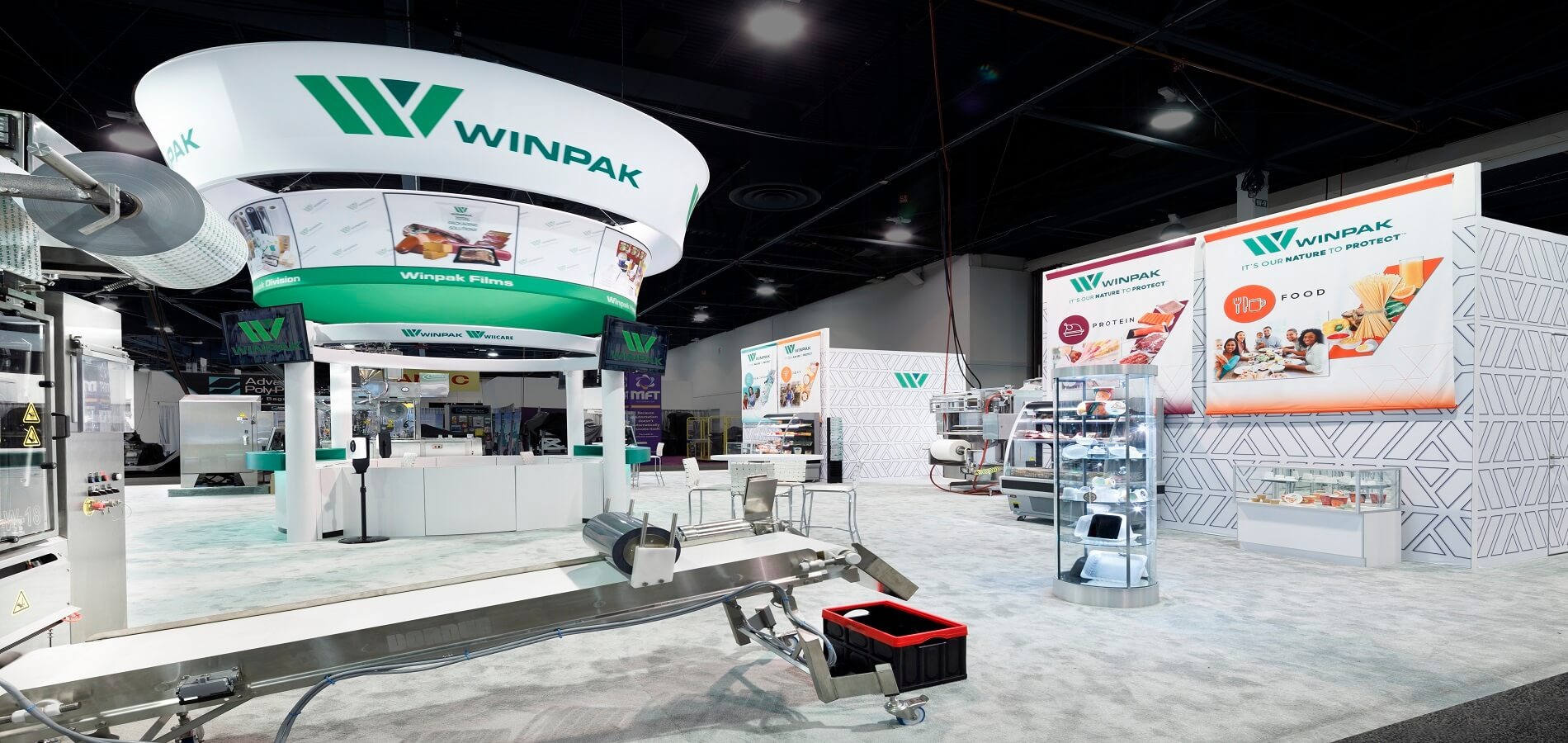
Inventory Mapping for Venue-Specific Asset Deployment

Creating comprehensive inventory maps linked to Atlanta's venue clusters enables precise asset allocation, distinguishing between components optimized for the Georgia World Congress Center's expansive exhibit halls and those suited to the Georgia International Convention Center's conference-focused layouts. Each asset entry details prior uses, such as deployments during downtown conventions versus airport-corridor fly-in events, allowing planners to sequence storage rotations that align with show calendars. This mapping extends to tracking dimensional compatibility, ensuring that wide-format displays stored after AmericasMart market weeks fit the load-in constraints at Gas South Convention Center without modifications.

Detailed logging captures asset histories across zones, from Centennial Olympic Park activations to Cobb Convention Center regional shows, informing decisions on rotation frequencies and maintenance schedules. Planners use these records to batch similar assets, streamlining retrieval for multi-venue seasons where downtown peaks coincide with suburban upticks, reducing handling touches that could compromise integrity. Integration with event timelines at Gateway Center Arena further refines this process, prioritizing assets for quick-turn programs adjacent to airport logistics.

The resulting asset database serves as a planning cornerstone, cross-referencing storage locations with transportation routes spanning College Park to Duluth, minimizing idle time and optimizing capital tied up in underutilized exhibits.

Coordinating Storage with I&D Cycles Across Clusters

Smooth integration of storage into installation and dismantle operations is paramount in Atlanta, where dismantle at the Georgia World Congress Center must feed directly into storage prep for upcoming events at the Cobb Convention Center or Gas South Convention Center. Planners establish protocols that dictate immediate post-dismantle inspections and packing sequences, ensuring assets from downtown exhibits transition efficiently to airport venues like the Georgia International Convention Center without degradation. This coordination hinges on synchronized schedules that account for the logistical variances between urban core traffic patterns and suburban access routes.

For venues like AmericasMart Atlanta and Centennial Olympic Park, where market-week volumes generate high asset throughput, storage handoffs occur in phased waves, allowing partial reuse within the downtown cluster while reserving others for outbound shipments to Gateway Center Arena. Planning teams forecast these cycles months in advance, aligning storage capacity with peak dismantle periods to prevent backlogs that could delay subsequent installations.

This rhythmic approach extends to documentation, where dismantle reports feed into storage intake logs, creating a continuous audit trail across Atlanta's zones and safeguarding asset provenance for compliance and insurance purposes.

Ultimately, such coordination transforms storage from a passive hold into an active enabler of program continuity, supporting exhibitors' multi-venue strategies without interruption.

Optimizing Asset Reconfiguration for Multi-Venue Reuse

Atlanta's diverse event landscape—from Georgia World Congress Center conventions to Cobb Convention Center corporate gatherings—necessitates storage practices that facilitate easy reconfiguration of modular assets. Planners categorize components during intake, grouping interlocking frames and panels used interchangeably across downtown and suburban sites, which expedites reassembly for events at the Georgia International Convention Center following AmericasMart deployments. This modularity planning anticipates scale adjustments, such as downsizing downtown setups for Gateway Center Arena's arena-adjacent formats.

Storage layouts mirror reconfiguration needs, positioning high-reuse elements near access points for quick disassembly and testing prior to outbound transport to Gas South Convention Center shows. Documentation includes reconfiguration diagrams tied to specific venue pairs, like Centennial Olympic Park activations transitioning to Cobb submarket programs, streamlining on-site adaptations.

By embedding these practices, asset management extends exhibit lifespans, maximizing ROI through repeated deployments across Atlanta's four zones without necessitating full rebuilds.

Risk Management in Asset Handling and Transitions

Mitigating risks during asset transitions across Atlanta's zones involves rigorous protocols for handling at storage interfaces, particularly when moving bulky exhibits from Georgia World Congress Center dismantle to staging for Georgia International Convention Center installs. Planners implement condition checkpoints at each handoff, documenting transit protections suited to routes between downtown and College Park, ensuring vulnerabilities like graphic tears or frame bends are addressed before long-term storage.

For high-value activations at Centennial Olympic Park or AmericasMart Atlanta, risk assessments prioritize secure zoning within storage, segregating assets from high-traffic suburban pulls destined for Cobb Convention Center or Gas South Convention Center. This layered approach includes contingency planning for overlapping event demands, where backup components are pre-staged to cover delays in primary asset retrievals.

Insurance alignments and audit trails further fortify these measures, providing traceability from Gateway Center Arena dismantle through multi-zone cycles back to downtown readiness.

Such comprehensive risk frameworks preserve asset value, enabling sustained performance across Atlanta's convention spectrum.

Technology Integration for Asset Visibility

Leveraging digital tools for real-time visibility enhances storage efficacy in Atlanta's multi-zone environment, where asset locations must be queryable for events spanning the Georgia World Congress Center to the Cobb Convention Center. Systems tag items with venue histories and status updates, allowing planners to monitor dwell times post-AmericasMart market weeks and preempt issues before Gateway Center Arena deployments.

Barcode or RFID protocols facilitate scans during intake from Georgia International Convention Center dismantles, populating databases that forecast availability for Gas South Convention Center programs. Integration with scheduling software syncs storage metrics to cluster calendars, optimizing space allocation amid downtown peaks.

This tech backbone supports predictive planning, alerting to potential shortfalls across zones like Centennial Olympic Park to College Park transitions.

Long-Term Program Planning Through Storage Insights

Storage data analytics inform overarching exhibit programs in Atlanta, revealing usage patterns across downtown clusters like the Georgia World Congress Center and AmericasMart Atlanta versus suburban venues such as the Cobb Convention Center. Planners analyze turnover rates to rationalize inventories, phasing out low-utilization assets while scaling up modularity for frequent airport-corridor events at the Georgia International Convention Center.

Annual reviews tied to market calendars refine strategies, balancing storage footprints against demands from Gateway Center Arena fast-turns and Gas South Convention Center regionals. This data-driven evolution ensures alignment with exhibitors' goals across all four zones.

Insights also guide investment decisions, prioritizing durable components for high-cycle downtown use over specialized ones for niche activations at Centennial Olympic Park.

Questions teams ask before they lock the brief

How does storage planning differ for downtown versus suburban Atlanta venues?

Downtown clusters like Georgia World Congress Center and AmericasMart demand higher-volume, rapid-cycle storage rotations due to flagship conventions, while suburban sites such as Cobb Convention Center and Gas South Convention Center require flexible access for corporate and regional events, with planning adjusting retrieval priorities accordingly.

What role does asset mapping play in multi-zone operations?

Asset mapping catalogs components by compatibility with venue clusters—from GWCC halls to GICC conference spaces—enabling efficient batching and reconfiguration for transitions across downtown, airport, Cumberland/Cobb, and Duluth/Gwinnett corridors.

How is storage coordinated with I&D at Georgia International Convention Center?

Post-dismantle inspections and phased packing feed directly into storage intake, with manifests ensuring quick staging for fly-in events, synchronized to ATL SkyTrain logistics and subsequent downtown or suburban redeployments.

What considerations apply to assets used at AmericasMart Atlanta market weeks?

High-throughput showroom components receive prioritized storage zoning and reconfiguration tagging, accommodating overlaps with Centennial Olympic Park activations and outbound pulls to Gateway Center Arena or Cobb Convention Center.

How do risk protocols protect assets during zone transitions?

Condition checkpoints, secure segregation, and transit documentation mitigate handling risks, with contingencies for peak overlaps ensuring reliability from College Park dismantles to Gas South Convention Center installs.

Can storage insights optimize long-term exhibit programs?

Analytics on usage across clusters reveal patterns for inventory rationalization, supporting scalable modularity that balances downtown peaks with suburban demands.

Related topics that shape the same decision

32 Atlanta-focused services topics support real buyer decisions around design, labor, freight, venue fit, graphics, and post-show value.