The Atlanta market operates through a practical division of four zones that distribute convention demand according to event scale, attendee travel patterns, and programming focus. Downtown Atlanta functions as the primary flagship district, where the Georgia World Congress Center, Centennial Olympic Park, and AmericasMart create a dense cluster supporting major exhibitions, product launches, and international buyer engagements. This zone sets the benchmark for high-visibility activations that often anchor annual industry calendars.
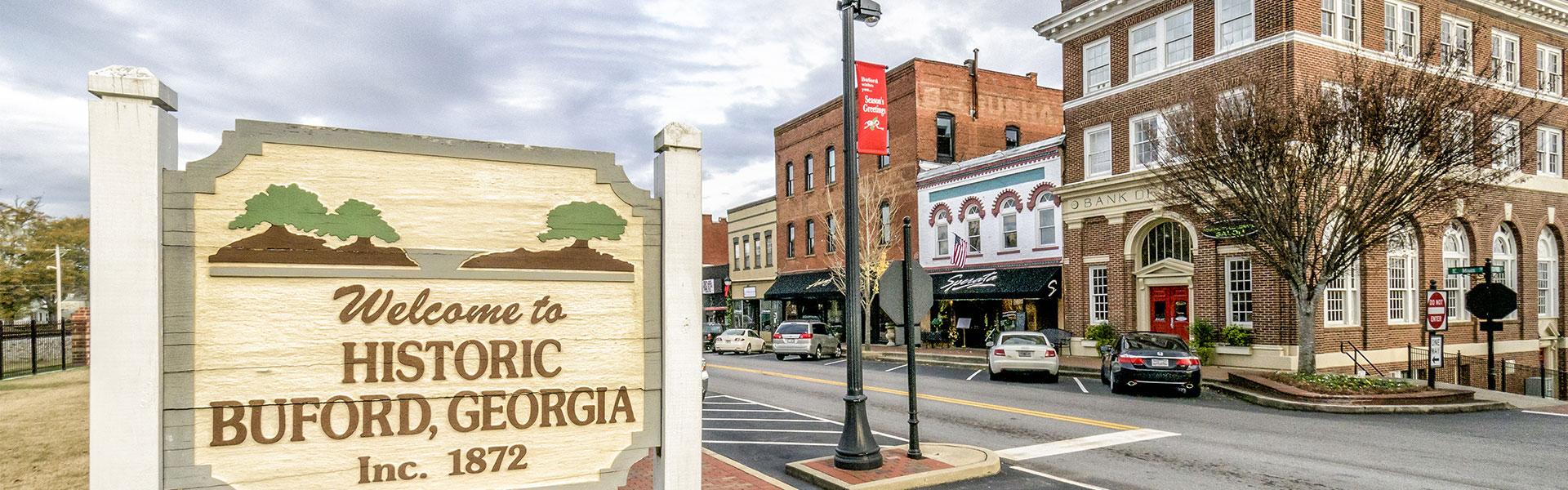
The airport-adjacent College Park corridor complements this with venues optimized for convenience, including the Georgia International Convention Center whose floor plans and SkyTrain linkage minimize transit time for national attendees arriving through Hartsfield-Jackson. Meanwhile, the Cumberland-Cobb northwest submarket and the Duluth-Gwinnett northeast corridor, encompassing Buford, serve regional corporate meetings, association conferences, and community-oriented expos that benefit from reduced urban density and easier local access.
Buford's location within the Gwinnett corridor allows organizations to engage audiences that prefer suburban settings while maintaining connectivity to the full Atlanta ecosystem. Planning therefore begins with calendar mapping that identifies how a single campaign might progress from a downtown presence at the GWCC to follow-on activities at facilities like Gas South Convention Center. This multi-zone perspective prevents siloed strategies and supports cohesive brand experiences across differing venue scales and audience expectations.
Operational details drawn from venue planning resources, such as the GWCC Planning Guide, highlight variations in load capacities, rigging options, and traffic flows that must inform early design decisions. For Buford exhibitors, recognizing these distinctions at the district level ensures exhibits are neither overbuilt for suburban shows nor underprepared for downtown demands.