Atlanta Capabilities

Venue Operations Planning for Atlanta Trade Shows

Atlanta booth planning, fabrication, logistics, and show-floor control.

Atlanta's trade show landscape demands precise venue operations planning to handle the unique demands of its four key operating zones, from the high-volume downtown cluster to airport-adjacent facilities and suburban convention centers.

Core valuevenue rules, utility orders, and schedule protection
Management winFewer surprises and clearer accountability
Show-floor effectFaster decisions and steadier execution

Mastering Downtown Atlanta's Convention Cluster Dynamics

The Georgia World Congress Center stands as Atlanta's premier hub for large-scale conventions and flagship exhibits, where operations planning must prioritize expansive exhibit halls, integrated activations around Centennial Olympic Park, and market-week support at AmericasMart. Planners coordinate intricate load-in sequences that navigate multiple freight docks, high-capacity elevators, and pedestrian bridges linking these sites, ensuring exhibitor builds align with peak buyer showroom hours without impeding public activations. Supervisory oversight extends to real-time floor management, where teams monitor compliance with hall configurations, emergency egress paths, and utility distributions to sustain uninterrupted program flow amid thousands of daily visitors.

Centennial Olympic Park's outdoor venue capabilities introduce unique planning layers, blending exhibit extensions with public event logistics that demand weather-contingent setups, perimeter security, and crossover traffic control between park spaces and indoor congress facilities. AmericasMart's multi-building campus requires segmented operations planning, with dedicated paths for permanent showroom updates versus temporary trade fair installations, factoring in buyer preview schedules and off-hour material handling to avoid conflicts during extended market weeks. This cluster's depth necessitates holistic frameworks that forecast peak-hour congestion, pre-qualify freight volumes, and embed adjustment protocols for last-minute hall reconfigurations.

Effective planning here incorporates venue-specific guidelines, such as those outlining hall capacities and rigging points at the Georgia World Congress Center, to preempt issues in exhibit rigging, lighting grids, and audiovisual integrations that support high-stakes presentations.

Optimizing Airport Corridor Venue Operations

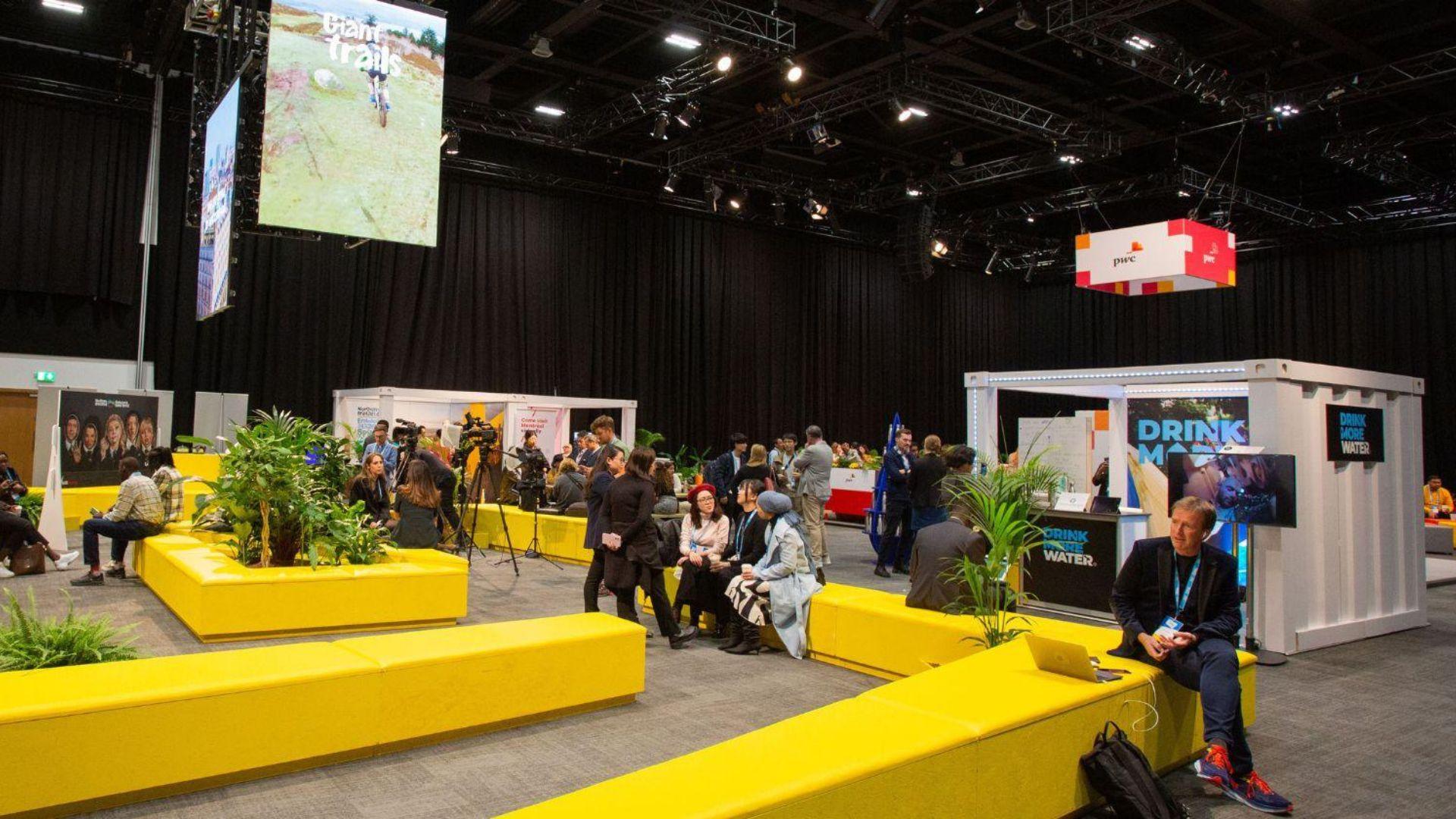
The Georgia International Convention Center and Gateway Center Arena at College Park form Atlanta's fly-in event nexus, where operations planning emphasizes ATL SkyTrain accessibility, rapid setup cycles, and smooth integration with airport logistics for conferences drawing international attendees. Planners map out condensed move-in windows that leverage dedicated parking decks, oversized freight bays, and direct SkyTrain platforms, coordinating exhibitor arrivals to coincide with flight banks and minimize holding delays in pre-function areas. Supervisory structures focus on security handoffs, badge synchronization, and quick-turn ballroom resets to accommodate Back to Back sports-adjacent activations and meeting programs.

Gateway Center Arena's flexible arena configuration adds complexity, requiring plans that balance exhibit flooring over event courts, spectator flow management, and auxiliary space utilization for registration overflows or VIP lounges. The convention center's expansive floor plans demand pre-event simulations of booth circuits, ensuring even distributor coverage amid airport-corridor foot traffic patterns that spike during travel hubs. This zone's planning imperative lies in compressing timelines without sacrificing quality, with protocols for expedited inspections, modular exhibit adaptations, and contingency routing around SkyTrain maintenance windows.

Coordination extends to vendor pre-clearance and material staging in off-site buffers, preventing bottlenecks at entry points and enabling fluid transitions from install to show-open across these airport-proximate facilities.

Suburban Convention Center Strategies in Cobb and Beyond

Cobb Convention Center in the Cumberland submarket captures northwest Atlanta's corporate, association, and regional trade show demand, where venue operations planning centers on ballroom-driven programs, ample parking access, and submarket highway connectivity that eases exhibitor trucking. Planners develop sequences that exploit the center's contiguous exhibit and pre-function spaces, staging loads in peripheral lots to feed progressive builds without downtown-style gridlock, while supervising regional attendee patterns that favor car-based arrivals over transit reliance. This setup suits mid-scale rollouts requiring flexible partitioning, catered breakouts, and post-show dismantle efficiencies.

Extending to the Duluth and Gwinnett corridor, such as Gas South Convention Center, planning incorporates northeast suburban sprawl, with emphasis on interstate on-ramps, oversized vehicle maneuvering, and community event hybrids that blend trade elements with local activations. Operations frameworks here prioritize scalable supervision for varying crowd densities, utility provisioning across dispersed halls, and reporting on metrics like dwell times in booth zones to refine future iterations. These venues demand plans that bridge urban intensity gaps, focusing on cost-effective logistics and extended load windows that accommodate regional supplier networks.

Holistic suburban planning unifies these sites through standardized checklists for fire marshal walkthroughs, electrical load balancing, and waste stream management, ensuring exhibitor operations mirror flagship standards despite locational variances.

Cross-Zone Load-In and Load-Out Orchestration

Atlanta's four-zone dispersion requires the planning to synchronize load-ins across downtown's high-density docks, airport's timed bays, and suburban lots, with centralized sequencing that staggers freight arrivals based on venue proximity to I-75, I-85, and I-20 arteries. Planners forecast cumulative impacts, such as downtown overflow routing to airport buffers during GWCC peaks, embedding GPS-tracked manifests and union labor alignments where applicable to maintain momentum from truck-unload to booth-secure. Supervisory relays provide Venue to Venue handoffs for multi-site exhibitors, capturing variances in crane heights, fork paths, and stabilization protocols.

Load-outs reverse this precision, prioritizing deconstruction hierarchies that clear high-traffic aisles first, coordinate with venue closeout inspections, and sequence outbound convoys to evade rush-hour snarls in College Park or Cobb corridors. Real-time dashboards track crate counts, damage logs, and ETA deviations, enabling proactive rerouting around Centennial Park events or AmericasMart buyer lingers. This orchestration prevents cascade failures, ensuring next-event prep cycles commence without residual venue holds.

Planning incorporates zone-specific buffers, like extended GICC windows for air-cargo links, to absorb downtown overruns, fostering resilience in exhibitor schedules.

Supervision and Real-Time Program Control

The planning establishes tiered supervision models scaled to Atlanta's venue profiles, with lead coordinators overseeing downtown clusters' multi-hall complexities, dedicated airport liaisons managing SkyTrain interfaces, and suburban points handling regional scale-ups. Daily briefs align teams on exhibitor manifests, hot-spot patrols, and escalation paths for issues like power surges at Cobb or crowd surges at Centennial. This structure enforces program timelines, from soft-open walkthroughs to hard-close sweeps, using mobile check-ins to log compliance and flag deviations instantaneously.

Reporting loops feed executive stakeholders with granular insights, such as booth activation rates at AmericasMart or attendee flow metrics at Gateway Center Arena, supporting mid-show tweaks like aisle widening or demo relocations. Planners embed training modules on venue idiosyncrasies, ensuring supervisors anticipate GICC's security layers or GWCC's rigging audits, thereby sustaining exhibitor confidence amid operational flux.

Adaptive control mechanisms, including weather protocols for park extensions and contingency staffing for fast-turns, fortify this pillar against Atlanta's variable conditions.

Compliance, Risk, and Performance Reporting

Atlanta the planning integrates compliance mapping from GWCC planning guides through GICC floor plans, aligning exhibitor setups with fire lanes, weight limits, and ADA paths across zones. Risk registers detail zone perils—downtown pickpockets, airport delays, suburban weather—prescribing mitigations like insured rigging, redundant power, and phased evac drills. Performance reporting quantifies outcomes via KPIs on install variances, uptime percentages, and feedback loops, benchmarked against venue histories for continuous refinement.

Stakeholder dashboards consolidate zone data, highlighting efficiencies like Cobb's parking yields or AmericasMart's sustained traffic, informing budget reallocations and vendor scorecards. This closes the planning loop, validating turnkey execution across Atlanta's diverse show sites.

Exhibitor Logistics and Attendee Flow Integration

Planning fuses exhibitor logistics with attendee experiences, plotting booth proximities to GWCC entrances or GICC SkyTrain drops for optimal capture rates, while supervising material flows to evade foot traffic at Centennial or Gateway events. Digital engagement tie-ins, like QR-mapped circuits, enhance this under operations oversight, ensuring leads funnel without exhibit disruptions.

Suburban venues benefit from Parking to Booth vectors at Cobb, planned to accelerate regional buyer loops, with reporting on conversion lifts from streamlined paths.

Questions teams ask before they lock the brief

How does venue operations planning differ across Atlanta's zones?

Downtown planning tackles high-density clusters like GWCC and AmericasMart with complex sequencing, airport zones focus on SkyTrain-timed fast-turns at GICC, and suburban sites like Cobb emphasize parking-logistics and regional scaling.

What role does supervision play in multi-venue shows?

Supervision provides cross-zone oversight, coordinating handoffs, real-time adjustments, and compliance to unify program control from downtown to suburbs.

How are load-in bottlenecks prevented?

Staggered manifests, zone buffers, and GPS tracking preempt issues, aligning with venue docks, elevators, and highway access patterns.

What metrics are tracked in operations reporting?

KPIs cover install timelines, uptime, traffic flows, and exhibitor feedback, aggregated across zones for stakeholder insights.

Can planning accommodate weather or external disruptions?

Protocols include contingencies for park activations, airport delays, and suburban storms, with adaptive staffing and rerouting.

How does planning support market-week events?

Segmented sequences at AmericasMart ensure buyer previews and installs coexist, with extended supervision for sustained operations.

Related topics that shape the same decision

8 Atlanta-focused capabilities topics support real buyer decisions around design, labor, freight, venue fit, graphics, and post-show value.